Have you ever stopped to really look at how fast our cities are growing and changing? It feels like just yesterday, our urban landscapes were one way, and now, they’re transforming before our very eyes, often bringing both incredible opportunities and some head-scratching challenges.
I’ve been diving deep into this fascinating world of urban growth management policies lately, and let me tell you, it’s far more than just city planning – it’s about shaping our daily lives, from where we live to how we commute and even the air we breathe.
We’re talking about everything from clever sustainable design to cutting-edge smart city tech and even tackling those pressing issues like skyrocketing housing costs, endless traffic, and preserving our precious green spaces for a truly livable future.
It’s a complex puzzle, but there are some genuinely brilliant minds and innovative strategies out there shaping our tomorrow. This is a topic that impacts us all, and understanding how policies can make a real difference in creating more vibrant, equitable, and resilient communities is truly inspiring.
Let’s dive in and explore exactly how these critical urban strategies work!
Crafting Livable Futures: The Core of Thoughtful Urban Planning
You know, it’s easy to look at a bustling city and just see buildings, traffic, and endless concrete. But when you peel back the layers, there’s an incredible amount of intentional thought and effort that goes into making these places function, and more importantly, making them feel like home. I’ve spent countless hours digging into what makes a city truly thrive, and it all boils down to something we often call urban growth management. It’s not just about drawing lines on a map; it’s about envisioning a future where our communities are sustainable, equitable, and genuinely wonderful places to live. I used to think of city planning as this dry, bureaucratic process, but the more I learn, the more I realize it’s actually a dynamic, creative endeavor that touches every single one of us. It’s about balancing development with preservation, progress with quality of life, and making sure that as our cities expand, they don’t lose their soul. It’s a challenge, sure, but also an immense opportunity to build something truly special.
Beyond the Blueprint: What “Growth Management” Really Means
When we talk about “growth management,” it might sound a bit academic, but trust me, it’s anything but. It’s about actively guiding how our towns and cities grow, rather than just letting sprawl happen haphazardly. Think about it: if left unchecked, new developments could pop up anywhere, straining infrastructure, gobbling up green spaces, and making commutes a nightmare. Growth management policies are like the guiding hand, ensuring that new housing, businesses, and amenities are located strategically, often near existing infrastructure or transit hubs. I’ve seen firsthand in some communities how intelligent planning can transform areas, bringing new life to struggling neighborhoods while protecting the charm of older districts. It’s about saying, “Hey, we want our city to grow, but we want it to grow smart.” It’s a proactive approach to prevent the problems of tomorrow by making thoughtful decisions today.
My Personal Take: Why a Holistic Approach Matters
From my perspective, having observed so many different urban landscapes, a truly effective growth management strategy has to be holistic. You can’t just focus on housing and ignore transportation, or prioritize economic development while neglecting environmental impact. It’s all interconnected, like a giant, intricate puzzle. I remember visiting a city once where they had fantastic public transport, but the housing was so unaffordable that people were still forced to live far away, making their commutes long despite the efficient trains. That’s a perfect example of a siloed approach falling short. What really excites me is when cities manage to weave all these elements together – affordable housing, efficient transit, lush green spaces, and vibrant economies – into one cohesive vision. It takes immense coordination and a genuine commitment from policymakers, but the payoff for residents is immeasurable. It’s about creating a place where everyone, regardless of their background, can thrive and feel a true sense of belonging.
Tackling the Housing Crunch: Innovative Solutions for Affordable Homes
Let’s be real, the housing market in so many places right now feels like an absolute rollercoaster, and often, not the fun kind. The cost of buying or even renting a decent place to live has become an enormous hurdle for so many people I know, and it’s a topic that constantly comes up in conversations. This isn’t just a personal struggle; it’s a critical challenge that urban growth policies are grappling with head-on. Cities are constantly trying to figure out how to provide enough homes for everyone, from young professionals starting out, to families needing more space, and seniors looking to downsize, all while keeping prices from skyrocketing into the stratosphere. It’s such a complex issue, intertwined with everything from land availability to construction costs, and there’s no single magic bullet. But what I’ve seen is that smart policies can genuinely make a dent, creating opportunities for more people to find a place they can truly call home without breaking the bank.
Rethinking Zoning: More Than Just Regulations
One of the biggest levers cities have to pull when it comes to housing is zoning. Honestly, before I started digging into this, I thought zoning was just some boring legal stuff. But it turns out, it’s incredibly powerful! Traditional zoning often segregates land uses – here’s where houses go, here’s where shops go, and here’s where apartments are allowed, if at all. This can severely limit the supply of diverse housing types, especially denser, more affordable options. What I’m seeing now are cities beginning to rethink these rigid rules, exploring things like allowing duplexes or townhouses in areas previously zoned only for single-family homes, or permitting mixed-use developments where you can live above a shop. It’s about increasing housing density in a thoughtful way, making better use of existing urban land. I personally believe that this kind of flexibility is crucial for allowing our cities to adapt and evolve to meet the needs of their residents.
Lessons Learned: Building Inclusive Communities
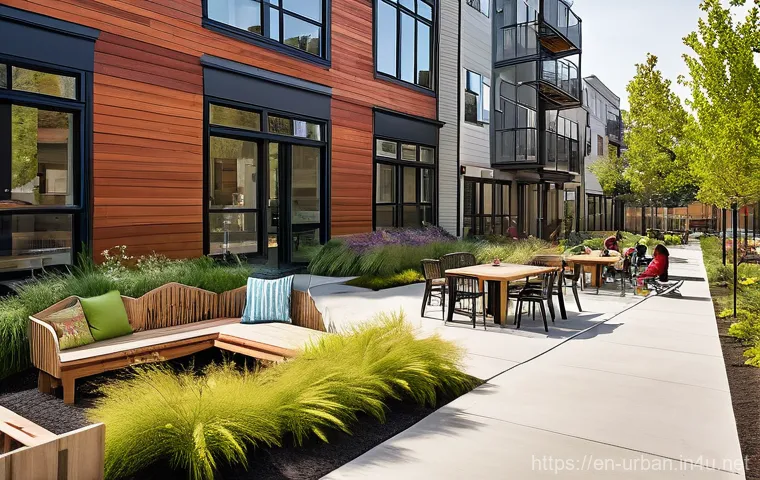
Creating truly affordable housing isn’t just about the numbers; it’s about building inclusive communities. I’ve seen some fantastic projects that go beyond just stacking units, incorporating things like community gardens, shared spaces, and even small businesses right within the development. These aren’t just buildings; they’re vibrant hubs that foster connection and support. Sometimes, cities offer incentives to developers to include a certain percentage of affordable units in their projects, or they invest in land trusts to keep land costs down permanently. What I’ve learned is that the most successful initiatives involve collaboration between city officials, non-profits, and even residents themselves. It’s about understanding the unique needs of a community and tailoring solutions that genuinely fit. When done right, these efforts don’t just provide roofs over heads; they create neighborhoods where people feel valued and connected.
Here’s a quick look at some common policy tools used to address housing affordability:
| Policy Tool | Description | Potential Impact |
|---|---|---|
| Inclusionary Zoning | Requires or incentivizes developers to set aside a percentage of new units for low- and moderate-income residents. | Increases affordable housing supply, promotes mixed-income communities. |
| Accessory Dwelling Units (ADUs) | Policies allowing homeowners to build small, independent residential units on their property (e.g., granny flats, basement apartments). | Adds housing density, offers flexible living options, generates rental income for homeowners. |
| Land Value Taxation | Taxes the unimproved value of land rather than buildings, discouraging speculation and encouraging development. | Can reduce land hoarding, incentivize efficient land use, and potentially lower housing costs over time. |
| Tenant Protections | Regulations like rent control, eviction protections, and just cause eviction laws. | Stabilizes housing costs for existing tenants, prevents displacement, but can sometimes disincentivize new development. |
Navigating the Concrete Jungle: Strategies for Smarter Commutes
Oh, the daily commute! Who hasn’t experienced that familiar frustration of being stuck in traffic, watching the minutes tick by, wishing you were anywhere but behind the wheel? It’s a universal urban struggle, and it’s a huge focus for anyone thinking about city growth. As our populations expand, so too does the number of cars on the road, creating a seemingly endless cycle of congestion, pollution, and wasted time. I used to dread my own commute, feeling like I was just contributing to the problem. But what I’ve discovered is that cities are employing some seriously clever strategies to untangle these knots, aiming to make getting around less of a headache and more of a breeze. It’s not just about building more roads; it’s about reimagining how we move, giving us more choices, and making those choices more attractive.
Public Transit Revolution: Getting Us Where We Need to Go
For me, a truly great city is one where you don’t absolutely need a car to get around. That’s where public transit comes in, and I’ve seen some incredible transformations in this space. We’re talking about more than just old buses and slow subways; cities are investing in rapid bus transit lines that feel almost like a train, modern light rail systems, and even expanding underground networks. The goal is to make public transport so efficient, so convenient, and so reliable that it becomes the obvious choice for more people. Imagine hopping on a clean, comfortable train that whisks you past all the traffic jams – that’s the dream, right? And it’s not just about speed; it’s about accessibility, ensuring that everyone, regardless of where they live or their mobility needs, can easily access these networks. It reduces pollution, frees up road space, and honestly, it just makes the city feel calmer.
Biking and Walking: Rediscovering Our Streets
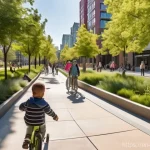
Sometimes the simplest solutions are the most profound. For years, our cities were designed almost exclusively for cars, pushing pedestrians and cyclists to the sidelines. But I’m thrilled to see a growing movement to reclaim our streets for people. Think about it: dedicated bike lanes that feel safe and separated from traffic, wider sidewalks, and beautiful pedestrian zones. It’s not just about exercise; it’s about creating active transportation options that are genuinely viable for daily errands, commutes, or just enjoying the urban environment. I personally started biking more a few years ago, and it completely changed my perspective on my neighborhood – I noticed so many small businesses and beautiful details I’d always whizzed past in a car. These initiatives improve public health, reduce our carbon footprint, and foster a stronger sense of community as people interact more on the street. It’s about building cities that prioritize people, not just vehicles.
Embracing Green: Protecting Our Planet, Enhancing Our Lives
There’s something incredibly refreshing about finding a patch of green in the middle of a bustling city, isn’t there? It’s a moment of calm, a breath of fresh air, and a reminder that even in our concrete jungles, nature has a vital role to play. Urban growth, while necessary, often comes at the cost of these precious natural spaces. But I’ve been so heartened to see a growing commitment among urban planners to not just preserve existing green areas, but actively integrate more nature into our urban fabric. It’s about recognizing that parks, trees, and even small community gardens aren’t just aesthetic luxuries; they are essential components of a healthy, livable, and sustainable city. These policies are literally shaping the air we breathe and the quality of life we experience every single day, and I for one am incredibly optimistic about the shift towards greener urban landscapes.
The Power of Parks: Why Green Spaces Aren’t Just Pretty
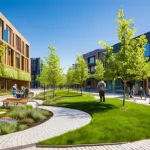
When I think about a city I truly love, vibrant parks are always a part of that picture. They’re more than just pretty scenery; they’re the lungs of our cities, absorbing carbon dioxide, producing oxygen, and mitigating the urban heat island effect, which can make cities feel significantly hotter than surrounding areas. Beyond the environmental benefits, parks are crucial for our well-being. They offer places for relaxation, recreation, and community gathering. I’ve spent countless afternoons jogging through urban parks, picnicking with friends, and watching kids play – these are the moments that truly make a city feel alive and joyful. Thoughtful growth management ensures that as cities expand, new developments either include green spaces or are strategically located near existing ones, guaranteeing that everyone has access to nature, regardless of where they live. It’s an investment in both our planet and our mental health.
Sustainable Infrastructure: Building a Resilient Tomorrow
Beyond traditional parks, I’m seeing some truly innovative approaches to incorporating green elements into our infrastructure itself. We’re talking about things like green roofs that reduce energy consumption and manage stormwater, permeable pavements that allow rainwater to seep into the ground rather than overwhelming drainage systems, and bioswales that naturally filter pollutants. These aren’t just fancy eco-trends; they’re smart, resilient solutions that help cities adapt to climate change and reduce their environmental footprint. I recently saw a fascinating project where a city turned an old, unused railway line into a linear park with diverse native plantings – it was both a beautiful green space and a crucial corridor for local wildlife. This kind of integrated thinking, where infrastructure serves multiple ecological and social functions, is what truly excites me about the future of urban design. It’s about building smarter, not just bigger.
The Digital City: How Technology is Reshaping Our Urban Spaces
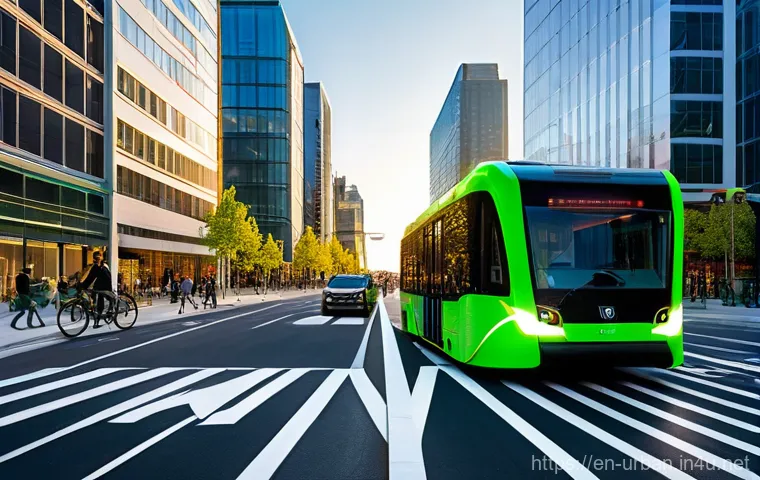
It’s genuinely wild to think about how much technology has infiltrated every corner of our lives, and our cities are no exception. What once sounded like science fiction – cities that can “think” and “respond” – is becoming a tangible reality. We’re talking about smart city initiatives, and let me tell you, it’s far more than just flashy gadgets. It’s about leveraging data, sensors, and connectivity to make urban environments more efficient, safer, and more responsive to the needs of their residents. I remember a few years ago thinking smart cities were a distant dream, but now, I see examples of these technologies making a real difference in everything from how we manage traffic to how we conserve energy. It’s an exciting frontier, and while there are definitely challenges to navigate, the potential benefits for urban living are truly immense.
Smart Sensors and Data: The Brains Behind the City
Imagine streetlights that dim when no one is around, saving energy, or trash cans that signal when they need emptying, optimizing collection routes. These aren’t futuristic concepts; they’re happening right now thanks to smart sensors and data analytics. Cities are deploying vast networks of sensors to collect real-time information on everything from air quality and traffic flow to parking availability and water usage. This data then becomes the “brain” of the city, allowing urban planners and operators to make more informed decisions, optimize services, and respond quickly to issues. I’ve personally seen how this can reduce traffic congestion by dynamically adjusting signal timings, or how it can help identify areas with poor air quality, prompting targeted interventions. It’s about making our cities work smarter, not harder, improving efficiency and resource management in ways we couldn’t have imagined a decade ago.
Connectivity for All: Bridging the Digital Divide
But a “smart city” isn’t truly smart if only some residents can access its benefits. A critical component of this technological revolution is ensuring widespread digital connectivity. I’ve always believed that access to reliable, affordable internet isn’t a luxury anymore; it’s a fundamental necessity in our modern world. Urban growth policies in the digital age are increasingly focused on bridging the digital divide, ensuring that every neighborhood, every household, has the infrastructure to participate fully in the connected city. This means investing in fiber optic networks, expanding public Wi-Fi access, and sometimes even innovative programs to provide low-cost devices or internet subscriptions to underserved communities. It’s about empowering everyone to access online services, educational resources, and job opportunities, making sure that technological advancements uplift all residents, rather than leaving some behind. A truly smart city is an inclusive one.
Community at the Heart: Engaging Residents in City’s Evolution
When we talk about urban planning and growth, it can sometimes feel like these decisions are made by a few people behind closed doors, far removed from the everyday lives of residents. But from my experience, the most vibrant, resilient cities are those where the community itself is deeply involved in shaping its future. After all, who knows a neighborhood better than the people who live, work, and play there every day? Genuine community engagement isn’t just a bureaucratic checkbox; it’s about empowering voices, fostering a sense of ownership, and ultimately, creating solutions that truly reflect the needs and aspirations of the people. It’s messy sometimes, and it takes effort, but the payoff in terms of stronger, more connected communities is absolutely priceless. I’ve seen some incredible examples of this, and it’s always inspiring to witness.
Giving Citizens a Voice: Participatory Planning
Have you ever felt like your opinion didn’t matter when it came to a development in your area? That feeling is exactly what participatory planning aims to combat. It’s a formal approach to involve residents in the decision-making process for urban projects and policies. This can take many forms: public workshops, online forums, neighborhood surveys, citizen advisory committees, and even design charrettes where residents collaborate with planners and architects. The key is to make these processes accessible and meaningful, going beyond simple public hearings that often feel like a formality. I once attended a neighborhood planning meeting where residents were given sticky notes and maps to literally draw where they wanted new parks or bike lanes – it was a powerful way to visualize their collective vision. When people feel heard and know their input can genuinely influence outcomes, they become invested stakeholders, not just passive recipients of development.
Neighborhood Revitalization: Building from Within
Community engagement is also fundamental to successful neighborhood revitalization efforts. It’s not about imposing an outside vision on an existing community; it’s about working *with* residents to identify their strengths, challenges, and dreams for their area. This often involves supporting local businesses, investing in community centers, improving public spaces, and preserving the unique cultural heritage of a neighborhood. I’ve seen communities transform by empowering local leaders to spearhead projects, whether it’s creating a new mural, starting a farmers’ market, or advocating for better public services. These initiatives often generate immense pride and foster a stronger sense of identity. It’s a testament to the idea that true growth isn’t just about constructing new buildings, but about nurturing the social fabric and empowering the people who make a place special.
Funding Our Future: Economic Engines for Sustainable Growth
Let’s face it, all these fantastic urban growth strategies – from affordable housing to green infrastructure and smart tech – require resources. Cities don’t just magically transform; there’s a significant financial engine behind every successful initiative. And this isn’t just about balancing the books; it’s about creating an economic environment where businesses can thrive, jobs are plentiful, and everyone has an opportunity to prosper. I’ve seen firsthand how thoughtful economic development, when integrated with broader growth management goals, can uplift entire communities. It’s a delicate dance between attracting investment and ensuring that growth benefits all residents, not just a select few. The goal is to build a resilient local economy that can weather changing times and continue to support the services and amenities that make a city a great place to live.
Attracting Investment: Smart Growth for Local Economies
Cities are constantly competing to attract businesses and talent, and strategic growth management plays a huge role in that. Companies want to locate in places with a skilled workforce, good infrastructure, and a high quality of life for their employees. This means that investments in public transit, parks, cultural amenities, and diverse housing options aren’t just social programs; they’re economic development tools. I’ve observed how cities that champion sustainable practices and a vibrant urban core often become magnets for innovative industries and young professionals. It’s about cultivating an environment where businesses see a clear path to success and where their employees want to live. This can involve offering targeted incentives, streamlining permitting processes, or investing in workforce training programs that align with local industry needs. It’s about smart, targeted growth that strengthens the economic base without sacrificing community values.
Public-Private Partnerships: Sharing the Load
Let’s be honest, cities can’t do it all alone. The scale of investment needed for large-scale urban development and infrastructure projects is often immense. That’s where public-private partnerships (PPPs) come into play, and I’ve seen them be incredibly effective when structured correctly. These partnerships involve collaboration between government entities and private companies to finance, build, and operate projects. This can range from developing new public transit lines and building affordable housing complexes to revitalizing downtown areas or creating cutting-edge smart city infrastructure. The private sector brings capital, expertise, and efficiency, while the public sector provides oversight, ensures public benefit, and manages risk. It’s about leveraging the strengths of both sides to achieve ambitious goals that might be impossible for either entity to undertake alone. When done transparently and with clear objectives, PPPs can be powerful engines for driving sustainable urban growth and delivering real benefits to residents.
Closing Thoughts
As we wrap up our deep dive into urban planning and what makes a city truly tick, I hope you’ve found this journey as eye-opening as I did researching it. It’s clear that shaping our urban environments is a complex, ongoing conversation, always striving for that sweet spot where growth, sustainability, and quality of life perfectly align. Seeing the incredible thought behind every park, every street, and every building truly makes you appreciate the effort to create places we love to live in.
Useful Information to Know
1. Get Involved Locally: Many cities have open meetings or online portals where you can learn about proposed developments and share your feedback. Your voice truly matters in shaping local policy, from new parks to zoning changes. Look up your local city council or planning department website for information on upcoming projects and public comment periods.
2. Understand Zoning Basics: Familiarize yourself with your area’s zoning regulations. Knowing what types of buildings and businesses are permitted in different zones can give you insight into future development patterns and how they might affect your neighborhood’s character and property values.
3. Support Public Transit Initiatives: Even if you primarily drive, advocating for and using public transportation benefits everyone by reducing traffic congestion, improving air quality, and making cities more accessible. Look into local initiatives for bus rapid transit, light rail, or bike lane expansions.
4. Champion Green Spaces: Be an advocate for the creation and preservation of parks, community gardens, and urban forests. These green areas are vital for environmental health, recreation, and community well-being, directly impacting the quality of life in your city.
5. Think About Walkability and Bikeability: Consider how easily you can navigate your neighborhood on foot or by bike. Supporting infrastructure that prioritizes pedestrians and cyclists not only improves personal health but also fosters safer, more vibrant streets and local economies.
Key Takeaways
So, what’s the big picture here? For me, the journey through urban growth management really boils down to a few critical points that I constantly come back to. Firstly, our cities aren’t static; they’re living, breathing entities that need thoughtful guidance to truly flourish. It’s about being proactive, not just reactive, in how we build and expand. Secondly, every element is interconnected – you can’t solve housing without considering transit, or promote economic growth without nurturing green spaces. It’s a holistic puzzle, and all the pieces need to fit. Finally, and perhaps most importantly, community engagement isn’t just a buzzword; it’s the heartbeat of successful urban development. When residents are genuinely involved, when their voices are heard, that’s when a city truly transforms into a place that serves everyone. My hope is that by understanding these principles, we can all contribute to creating even better, more inspiring places to live.
Frequently Asked Questions (FAQ) 📖
Q: So, what exactly are urban growth management policies, and why does it feel like everyone’s talking about them now?
A: Oh, that’s a brilliant question to kick us off! From my perspective, urban growth management policies are essentially the playbook cities use to control how and where they grow.
Think of it like this: without these policies, cities would just sprawl out haphazardly, right? You’d have housing developments popping up randomly, commercial zones clashing with residential areas, and green spaces disappearing faster than you can say “traffic jam.” What I’ve seen firsthand is that these policies are designed to be proactive, not reactive.
They’re about ensuring our cities develop in a way that’s sustainable, livable, and actually makes sense for the people who call them home. It feels like they’re a big deal now because, let’s be honest, our cities are bursting at the seams!
Housing affordability is a huge concern for so many of us, traffic is often unbearable, and everyone wants access to parks and community spaces. These policies try to tackle those real-world problems head-on, aiming to create communities where you don’t have to drive an hour just to get groceries or find a decent park.
It’s truly about shaping a future where our urban areas aren’t just bigger, but genuinely better.
Q: How do these policies actually improve our daily lives, beyond just preventing endless sprawl? I mean, what’s in it for me?
A: That’s totally fair to ask! It’s easy to get lost in the jargon, but when you strip it all away, these policies are incredibly personal. For me, the biggest win is often the creation of more walkable and bikeable neighborhoods.
Remember how frustrating it can be when you need to get everywhere by car? Well, smart growth policies often encourage mixed-use developments, meaning your apartment, that cool new coffee shop, and even your office could all be within walking distance.
Imagine getting back some of that time stuck in traffic! I’ve also noticed a huge focus on preserving our precious green spaces and developing new parks.
That’s not just pretty scenery; it’s places for us to relax, exercise, and connect with nature, which I think we can all agree is vital for our well-being.
Plus, with a better, more integrated public transit system – something these policies often push for – you might find yourself saving money on gas and car maintenance, which is a pretty sweet deal in my book.
It’s all about crafting places where your commute isn’t a nightmare, where you can feel a sense of community, and where the air just feels a little cleaner.
Q: Are there any common roadblocks or tricky bits when cities try to put these smart growth plans into action? It sounds great, but I’m sure it’s not always smooth sailing.
A: You’ve hit on a really important point – it’s definitely not always smooth sailing! From what I’ve gathered, one of the biggest challenges is balancing everyone’s interests.
You’ve got developers who want to build efficiently, existing residents who might be worried about increased density or traffic, and then the city planners trying to balance all of that with sustainability goals.
It’s a constant tightrope walk! Another tricky bit often comes down to funding. Implementing smart city tech, upgrading public transit, or acquiring land for new parks can be incredibly expensive, and securing those budgets is a massive undertaking.
I’ve seen situations where even the most well-intentioned plans face hurdles because of differing political priorities or even just NIMBYism – “Not In My Backyard” – from local communities who don’t want changes close to home, even if those changes benefit the greater good.
It’s a human issue at its core, requiring a lot of communication, compromise, and a genuine commitment from all stakeholders to see these fantastic visions through.
But despite the challenges, when these policies are implemented thoughtfully, the positive impact on our cities is truly remarkable.