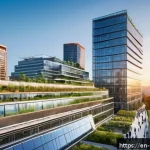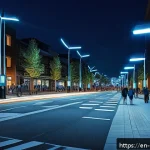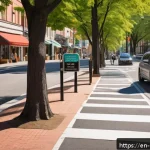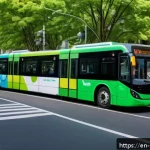
Hey everyone! Have you ever walked through a part of your city that just felt… alive?
Where businesses are thriving, people are out and about, and there’s a real buzz in the air? That feeling isn’t just luck; it’s often the result of some seriously clever urban economic revitalization strategies.
As someone who’s always fascinated by how cities evolve, I’ve noticed a huge shift in how we’re thinking about urban spaces. It’s not just about erecting new buildings anymore.
It’s about breathing new life into older areas, creating vibrant communities, and ensuring that growth benefits *everyone*. We’re seeing incredible innovation, from smart city technologies optimizing everything from traffic to waste management, to bold initiatives focused on green infrastructure that actually boosts property values and public health.
I’m particularly excited about the move towards more inclusive strategies, tackling thorny issues like affordable housing and preventing gentrification that displaces long-term residents.
It’s a complex puzzle, balancing economic growth with social equity and environmental sustainability, but the cities that crack it are the ones truly set for the future.
From what I’ve experienced and seen in cities around the world, the focus for 2025 and beyond is all about creating places where both businesses and people can genuinely flourish.
So, if you’re curious about how our urban landscapes are transforming and what it means for your community, you’re in the right place. Let’s dive deeper into how cities are unlocking their full economic potential below.
The Pulse of the City: Crafting Vibrant Public Spaces

As someone who’s spent countless hours wandering through cities worldwide, I’ve noticed a profound shift in how urban planners and communities think about public spaces.
It’s no longer just about functional areas; it’s about creating living, breathing extensions of our homes and workplaces. I’ve seen squares that were once mere transit points transform into bustling cultural hubs, and neglected riverfronts become cherished community gathering spots.
When cities truly invest in high-quality, people-centric public spaces, the economic benefits are undeniable. Think about places like New York’s High Line or even smaller town squares that have been reimagined with comfortable seating, public art, and engaging programming.
These aren’t just aesthetic upgrades; they’re strategic investments that increase foot traffic, encourage local spending, and foster a stronger sense of community.
I remember a small town in New England where a forgotten town common was revitalized with a performance stage, a farmers market space, and enhanced landscaping.
Overnight, the surrounding cafes and boutiques saw a significant boost in business. It really showed me how much people crave connection and engaging experiences right outside their doorsteps.
Beyond Concrete: Designing for Community Connection
The secret sauce here is designing with people in mind, not just cars or buildings. This means considering how a space feels, how it encourages interaction, and what activities it can host.
We’re moving beyond just green spaces to creating truly *active* spaces. Think about outdoor co-working zones with Wi-Fi, pop-up art installations that change with the seasons, or flexible areas that can host anything from yoga classes to street performers.
These elements draw people in, make them want to linger, and encourage them to spend more time (and money!) in the surrounding businesses. I’ve found that when a city gets this right, people don’t just visit; they *belong*.
It’s a feeling you can’t quite put a price on, but it certainly impacts the local economy.
From Neglected Corners to Cultural Hubs: Activating Underutilized Areas
It’s amazing what a little imagination can do for a forgotten alleyway or an empty lot. I’ve seen incredible transformations where these overlooked spaces become vibrant micro-parks, outdoor dining extensions, or even pop-up retail incubators.
These projects don’t always require massive capital; sometimes, it’s about strategic lighting, public art, and temporary installations that breathe new life into an area.
The key is unlocking their potential to serve the community and attract visitors. When I was in a mid-sized European city a few years ago, they had turned a series of underpasses into a dynamic street art gallery and a pathway for local craft vendors.
It was unexpectedly charming and created a whole new reason to explore that part of town, which naturally led to discoveries of independent shops and eateries.
The Digital Backbone: Leveraging Smart City Tech for Growth
We’re living in an era where technology isn’t just a convenience; it’s becoming the foundational layer for how cities operate and grow. When I think about what truly defines a forward-thinking city today, it’s not just skyscrapers, but how intelligently its infrastructure communicates.
Smart city technologies are no longer futuristic concepts; they’re practical tools that enhance everything from public safety to economic efficiency. From my perspective, a city that embraces smart tech isn’t just aiming for efficiency; it’s creating a more attractive environment for both residents and businesses.
It signals a commitment to innovation and progress, which can be a huge draw for talent and investment. I’ve personally seen how real-time traffic management systems can reduce congestion, making commutes less stressful and deliveries more efficient for businesses.
Optimizing Operations: Data-Driven Urban Management
At its core, smart city tech is about using data to make better decisions. Imagine traffic lights that adjust in real-time based on vehicle flow, or waste management systems that optimize collection routes based on sensor data.
These might sound like small improvements, but their cumulative impact on a city’s economy is massive. Less congestion means businesses can operate more smoothly, and public services become more cost-effective.
I recall a city where they implemented smart parking solutions, and it dramatically reduced circling cars, freeing up street space and making it easier for people to access local shops.
It was a tangible improvement that residents immediately appreciated, and it undeniably supported local commerce by simplifying the visitor experience.
Connecting Communities: Enhancing Public Services and Engagement
Beyond operational efficiencies, smart city initiatives are also about connecting people. Public Wi-Fi networks in downtown areas, digital kiosks providing real-time information, and interactive platforms for citizen engagement all contribute to a more informed and empowered populace.
This isn’t just about convenience; it’s about fostering an environment where information is accessible and participation is encouraged. When I visited a city that had implemented an extensive network of sensors for air quality monitoring and made the data publicly available, it empowered residents and spurred local environmental initiatives.
This kind of transparency and access to information builds trust and encourages a more engaged and proactive community, which ultimately contributes to a more stable and desirable urban environment.
Green Infrastructure: Paving the Way for Sustainable Prosperity
It’s become crystal clear to me over the years that true urban revitalization isn’t just about economic metrics; it’s deeply intertwined with environmental health.
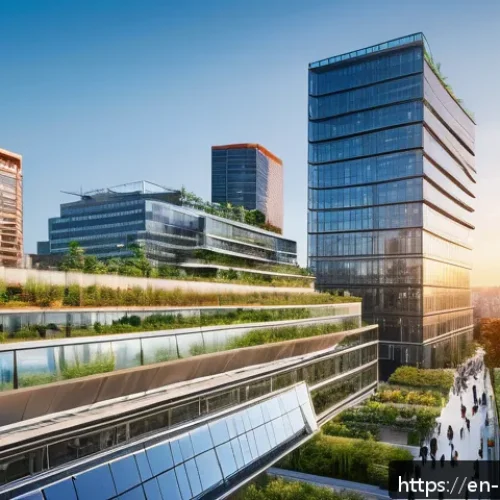
The idea of green infrastructure—things like urban parks, green roofs, permeable pavements, and even street trees—isn’t just about making a city pretty.
It’s a strategic investment that delivers tangible economic benefits, often in ways that traditional infrastructure can’t. I’ve seen firsthand how cities that prioritize green spaces not only become more beautiful, but also measurably healthier and more economically vibrant.
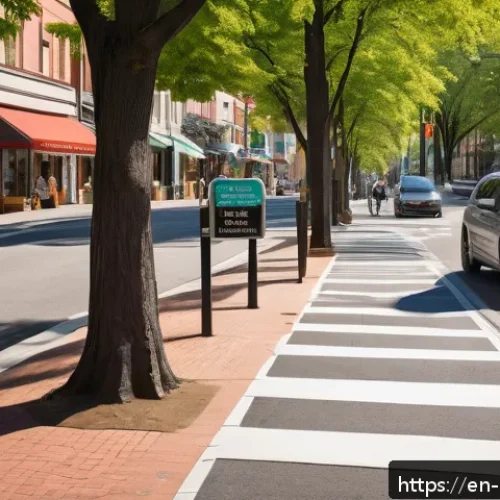
For instance, in areas where robust tree canopy coverage was implemented, property values often saw a noticeable uptick, and the urban heat island effect was significantly reduced, leading to lower energy costs for businesses and residents alike.
It’s a win-win, really.
Beyond Aesthetics: The Economic Dividends of Nature
The economic arguments for green infrastructure are incredibly compelling. Beyond the obvious benefits of improved air quality and reduced stormwater runoff, these investments can boost tourism, attract new businesses, and even improve public health, leading to lower healthcare costs.
Think about a city park that becomes a destination in itself, drawing visitors who then explore nearby shops and restaurants. Or consider how green roofs can significantly lower a building’s energy consumption for heating and cooling.
I remember visiting a community that had transformed a neglected industrial site into a massive urban park with wetlands and walking trails. Not only did it become a beloved local amenity, but it also spurred new residential and commercial development around its perimeter, creating jobs and increasing the local tax base.
Building Resilience: Mitigating Climate Risks for Future Growth
In an age of unpredictable weather patterns and climate concerns, green infrastructure plays a crucial role in building urban resilience. Features like permeable surfaces and rain gardens help manage stormwater, reducing flood risks that can be devastating to businesses and homes.
Urban forests can mitigate the impact of heat waves, making cities more livable and reducing the strain on energy grids. From my travels, I’ve observed that cities proactively investing in these resilience measures are not only protecting their current assets but also positioning themselves as more stable and attractive places for long-term investment.
It’s about securing the future economic viability of the city by strategically adapting to environmental challenges.
Empowering Local Economies: Championing Small Businesses and Artisans
If there’s one thing I’ve learned about urban economies, it’s that their true heartbeat often lies in the hands of small businesses and local artisans.
These aren’t just shops; they’re the unique character, the flavor, and the community builders of our neighborhoods. As an urban explorer, I’m always drawn to streets lined with independent bookstores, bespoke craft shops, and family-run eateries.
They create a distinct sense of place that big box stores simply can’t replicate. When cities actively support these local ventures, it doesn’t just keep money circulating within the community; it fosters innovation, provides diverse employment opportunities, and ultimately strengthens the city’s overall economic fabric.
I’ve personally seen how dedicated local business incubators and mentorship programs have transformed nascent ideas into thriving enterprises, adding incredible value to their respective districts.
Incubating Innovation: Nurturing Entrepreneurial Ecosystems
It’s fantastic to see more cities understanding that sometimes the best way to grow is to nurture what’s already there, or to help new ideas take root.
Providing accessible co-working spaces, mentorship programs, and even micro-loans can make a world of difference for aspiring entrepreneurs. When these resources are available, it lowers the barrier to entry for many, encouraging a diverse array of businesses to flourish.
I remember a revitalized district where the city converted an old warehouse into affordable studios for artists and makers, complete with shared tools and exhibition space.
It quickly became a vibrant hub, drawing visitors and creating a palpable sense of excitement, demonstrating how investment in creative small businesses pays off in spades.
Celebrating Local Flavor: Marketing and Placemaking
Part of empowering local businesses is making sure people know they exist and are excited to support them. This is where strategic marketing and placemaking come in.
Think about “shop local” campaigns, community events that highlight local vendors, or even just making sure sidewalks are inviting and signage is clear.
When a city creates a strong local identity, it becomes a magnet for residents and tourists alike. I’ve seen cities host fantastic “foodie trails” or “art walks” that specifically guide people to independent establishments.
It’s not just about selling products; it’s about selling an experience, a story, and a connection to the community. And trust me, people are willing to pay for that authenticity.
Inclusive Growth: Addressing Equity and Affordability

True economic revitalization, in my opinion, can’t happen if it leaves people behind. The thorny issues of affordable housing, gentrification, and equitable access to opportunities are crucial components of sustainable urban growth.
I’ve seen the painful side of development where long-term residents are priced out of their neighborhoods, and that’s simply not a sustainable model. A city thrives when *everyone* has a chance to participate in its success.
The push for more inclusive strategies is one of the most exciting trends I’m observing in urban planning right now, recognizing that social equity isn’t just a moral imperative; it’s an economic one.
A diverse population brings diverse ideas and strengthens the social fabric, making a city more robust and resilient.
Housing Solutions: Beyond the One-Size-Fits-All Approach
The conversation around affordable housing has evolved dramatically. It’s no longer just about building more units; it’s about innovative solutions that meet the diverse needs of a city’s population.
We’re seeing more mixed-income developments, adaptive reuse of existing buildings, and even land trusts designed to keep housing permanently affordable.
I’ve been particularly impressed by cities experimenting with inclusionary zoning, which mandates that a certain percentage of new developments must be affordable.
This helps ensure that as areas grow and property values rise, there are still options for people from all income levels. It’s a complex challenge, but crucial for maintaining the social and economic diversity that makes a city vibrant.
Equitable Access: Bridging the Opportunity Gap
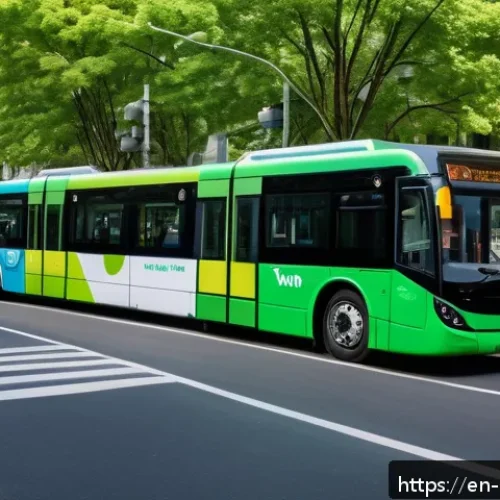
Economic growth must also come with equitable access to its benefits. This means investing in public transit that connects residents to jobs and services, ensuring access to quality education and job training, and supporting initiatives that foster digital inclusion.
If segments of the population are disconnected from these essential resources, the city’s overall economic potential is diminished. I visited a city that implemented a comprehensive digital literacy program alongside public Wi-Fi expansion in underserved neighborhoods.
It wasn’t just about providing internet; it was about equipping people with the skills to leverage that access for employment and education, demonstrating a holistic approach to inclusion.
The Experience Economy: Cultivating Unique Destinations
In today’s interconnected world, people are increasingly seeking out unique experiences, not just goods or services. This trend has profound implications for urban economic revitalization.
Cities that understand this are no longer just building commercial districts; they’re cultivating destinations that offer memorable moments. From my own adventures, I’ve noticed that the most successful urban areas are the ones that tell a story, that engage all the senses, and that provide something you simply can’t get online or in a generic mall.
This focus on creating immersive experiences—whether through public art, culinary scenes, or vibrant cultural festivals—is a huge driver of tourism and local spending.
It’s about creating reasons for people to show up, linger, and come back.
Curating Culture: Art, Food, and Festivals as Economic Engines
When a city embraces its unique cultural assets, it creates an irresistible pull. Think about how a thriving arts district, a renowned culinary scene, or a calendar packed with distinctive festivals can put a city on the map.
These aren’t just amenities; they are powerful economic engines, drawing visitors, supporting local artists and chefs, and creating a vibrant nightlife.
I’ve been to cities where annual music festivals or food fairs not only generated millions in revenue but also fostered a deep sense of community pride and showcased local talent.
It’s about authenticity and celebrating what makes a place special.
Beyond Retail: Crafting Engaging Commercial Districts
The traditional retail landscape is evolving, and successful urban areas are adapting by transforming commercial districts into engaging “experience zones.” This means incorporating elements like pop-up markets, interactive installations, outdoor performances, and unique dining concepts alongside traditional shops.
It’s about giving people a reason to leave their homes and explore. I recall a shopping district that successfully integrated a series of small, themed courtyards with different types of seating, public art, and even a miniature outdoor amphitheater.
It turned a routine shopping trip into a delightful exploration, encouraging people to spend more time there and discover local businesses they might otherwise have missed.
| Revitalization Strategy | Key Benefits for Urban Economies | Example (General) |
|---|---|---|
| Vibrant Public Spaces | Increased foot traffic, local spending, community engagement, improved quality of life. | Pedestrianized squares, revitalized riverfronts with public art and cafes. |
| Smart City Technologies | Operational efficiency, reduced congestion, enhanced public safety, data-driven decision-making, attracting tech businesses. | Smart parking systems, real-time traffic management, public Wi-Fi networks. |
| Green Infrastructure | Improved air quality, flood mitigation, increased property values, energy savings, health benefits. | Urban parks, green roofs, permeable pavements, extensive street tree planting. |
| Local Business Support | Job creation, unique urban identity, money circulated locally, innovation, entrepreneurial growth. | Business incubators, “shop local” campaigns, artisan markets. |
| Inclusive Growth Initiatives | Social equity, diverse workforce, reduced displacement, stable communities, access to opportunities for all. | Affordable housing programs, improved public transit to job centers. |
| Experience Economy Focus | Tourism boost, unique destination creation, cultural vibrancy, increased entertainment spending. | Food festivals, art walks, interactive public installations, themed entertainment districts. |
Funding the Future: Innovative Investment Models
Let’s be honest, transforming a city isn’t cheap. But what I’ve learned is that the most impactful revitalization projects aren’t just relying on traditional government funding anymore.
We’re seeing a really exciting wave of innovative investment models that bring together public, private, and even community resources. This kind of collaborative approach is essential for tackling the complex challenges of urban development in 2025 and beyond.
It moves beyond the limitations of single-source funding and taps into a broader pool of capital and expertise. I’ve personally seen how successful public-private partnerships can bring ambitious projects to life that would otherwise remain on the drawing board.
It’s about creative financing and shared risk, leading to shared rewards.
Public-Private Partnerships: Synergy for Large-Scale Projects
The classic public-private partnership (PPP) is still incredibly powerful, but it’s evolving. These aren’t just about building a new stadium; they’re increasingly focused on integrated developments that include mixed-use spaces, affordable housing, and public amenities alongside commercial ventures.
When done right, PPPs leverage the efficiency and innovation of the private sector with the public good mission of government. I remember a downtown revitalization project where a city partnered with a development firm to redevelop an old industrial site.
The firm built market-rate housing and commercial spaces, while the city ensured public park access and infrastructure upgrades, creating a win-win for everyone involved.
Community-Led Investment: Empowering Local Stakeholders
What really gets me excited is the rise of community-led investment models. These are initiatives where local residents and businesses directly contribute to and benefit from neighborhood revitalization.
This can take many forms, from crowdfunding campaigns for specific projects to community land trusts and neighborhood improvement districts funded by local property owners.
It’s incredibly empowering to see communities taking ownership of their own development. I saw a brilliant example in a smaller city where a group of local businesses pooled resources to fund enhanced street lighting and public art in their commercial corridor.
It wasn’t a huge sum from each, but collectively, it made a massive impact, directly boosting their own businesses and the attractiveness of their street.
Closing Thoughts
Honestly, seeing how our cities are evolving really gets me excited for the future. It’s not just about building bigger; it’s about building smarter, greener, and more inclusively.
From my vantage point, the most vibrant urban centers are those that truly listen to their residents, embrace innovation, and understand that economic prosperity isn’t a standalone goal—it’s deeply intertwined with social equity, environmental health, and the sheer joy of living in a well-loved place.
It’s a complex dance, but when cities get it right, the energy is palpable, and the benefits ripple out to everyone. I’m always so impressed by the dedication and creativity I see in communities working to shape their urban landscape, proving that a city is truly a living, breathing entity.
Useful Information to Keep in Mind
1. Community Engagement is Paramount: In my experience, the most successful urban revitalization projects aren’t top-down mandates; they’re collaborative efforts born from genuine community input. Seriously, if you want a public space to truly thrive, involve the people who live and work around it from day one. Their insights are invaluable for understanding daily needs and ensuring the space feels like *theirs*. I’ve seen projects falter because they overlooked this crucial step, and conversely, watched areas flourish when residents’ voices were at the heart of the design. It’s about building trust and ownership, which are priceless for long-term sustainability. Without that foundational buy-in, even the most beautifully designed park or plaza can feel alien to the very people it’s meant to serve. It’s like trying to cook a meal without knowing what your guests actually enjoy – you might have the best ingredients, but it won’t hit the mark. This active participation fosters a sense of collective responsibility and pride, transforming mere users into genuine stewards of their urban environment.
2. Embrace a Multi-faceted Approach to Funding: Don’t put all your eggs in one basket when it comes to financing urban projects. What I’ve learned is that relying solely on municipal budgets or single grants often limits ambition. The most impactful initiatives I’ve witnessed leverage a blend of public funds, private investment, philanthropic contributions, and even community crowdfunding. This diversified approach not only secures more capital but also distributes risk and brings a wider range of stakeholders to the table, each with a vested interest in the project’s success. It’s like building a solid investment portfolio for the city itself—the more diversified your sources, the more resilient and ambitious your plans can be. I’ve seen incredible transformations where unexpected partnerships unlocked opportunities that seemed impossible before, turning creative financing into a catalyst for community dreams.
3. Prioritize Flexibility and Adaptability in Design: Our cities are constantly changing, and their public spaces need to reflect that dynamism. When I observe truly effective urban planning, I notice a strong emphasis on designs that can adapt to different uses, seasons, and evolving community needs. Think modular seating, open areas that can host a farmer’s market one day and a concert the next, or infrastructure that can easily integrate new technologies. Rigid, single-purpose designs can quickly become outdated. By building in flexibility, cities ensure their investments remain relevant and valuable for decades, rather than just a few years. It’s about designing for the unknown future, giving communities the power to continually reinvent and repurpose their spaces without constant, costly overhauls. A truly resilient city space is one that can elegantly pivot to serve the next generation’s demands.
4. Leverage Data for Informed Decision-Making: In today’s world, “smart” isn’t just a buzzword; it’s a strategic advantage for urban revitalization. I’ve seen firsthand how data—from pedestrian flow and traffic patterns to air quality and energy consumption—can transform urban planning from guesswork into precision. Using smart sensors and analytics allows cities to understand how people actually use spaces, identify pain points, and measure the impact of interventions. This evidence-based approach helps optimize resources, prioritize investments, and justify projects to taxpayers. It’s about taking the emotion out of some decisions and letting hard facts guide the way, leading to more efficient, effective, and sustainable urban environments. When you know *exactly* where and when people gather, you can create programs and infrastructure that truly meet their needs, maximizing public benefit for every dollar spent.
5. Focus on Green Infrastructure as a Core Economic Strategy: This isn’t just about aesthetics; it’s a powerful economic driver. What I’ve seen time and again is that investments in green infrastructure—like urban forests, permeable pavements, and rain gardens—yield multiple benefits that directly impact a city’s bottom line. They reduce stormwater management costs, improve air quality (leading to lower healthcare expenses), mitigate urban heat island effects (reducing energy bills), and even boost property values. Furthermore, these natural elements make cities more attractive to businesses and residents seeking a higher quality of life, acting as a magnet for talent and investment. It’s a strategic, long-term investment in a city’s health, resilience, and overall economic competitiveness. Don’t think of it as a luxury; think of it as essential infrastructure that pays dividends in countless ways.
Key Takeaways
Ultimately, urban revitalization thrives on a human-centric approach, where public spaces are designed for interaction and community building. Smart city technologies are critical for operational efficiency and data-driven decision-making, while green infrastructure ensures sustainable prosperity and climate resilience. Championing small businesses and local artisans fosters unique urban identities and strengthens local economies. Crucially, inclusive growth initiatives addressing equity and affordability ensure that the benefits of revitalization are shared by all residents. Finally, focusing on the experience economy cultivates unique destinations that attract visitors and foster vibrant cultural scenes, all supported by innovative funding models that blend public, private, and community resources for holistic urban success.
Frequently Asked Questions (FAQ) 📖
Q: What are the coolest new strategies cities are actually using to boost their economies and make places more vibrant?
A: Oh, this is such a great question, and it’s where things get really exciting! From what I’ve seen, cities are getting super creative, moving far beyond just building shiny new skyscrapers.
One huge trend is mixed-use development. Instead of separate zones for living, working, and shopping, they’re blending everything into one walkable, vibrant area.
Think of places where you can live in an apartment above a trendy coffee shop, walk to your office, and then hit a local brewery all within a few blocks.
It’s fantastic for local businesses, keeps people in the area longer, and honestly, it just makes neighborhoods feel more alive! Another big one is investing in green infrastructure.
We’re talking about more parks, green roofs, and even transforming old industrial areas into beautiful public spaces. I once visited a city that turned an old elevated highway into a linear park, and it completely changed the feel of the neighborhood, attracting new businesses and families.
It boosts property values, improves air quality, and creates beautiful spots for people to relax. And let’s not forget about leveraging local culture and arts.
Cities are realizing that their unique identity is a huge economic asset. By supporting local artists, creating cultural districts, and hosting festivals, they’re not just preserving their heritage but also attracting tourists and fostering a strong sense of community.
It’s a win-win, creating truly unique and attractive destinations!
Q: Urban revitalization sounds great, but sometimes it feels like it only benefits developers or new residents. How can cities make sure everyone, especially long-term residents, benefits from these changes?
A: You’ve hit on a really important point that often gets overlooked, and it’s something I think about a lot when I see these grand plans unfold. The risk of gentrification and displacement is real, and it’s why an inclusive approach is absolutely crucial.
From my perspective, the most successful revitalization efforts put existing communities at the heart of the process. One key strategy is affordable housing initiatives.
This isn’t just about building new low-income housing, but also about preserving existing affordable units and even offering rental assistance or rent control in rapidly changing areas.
I’ve seen some cities use inclusionary zoning, which basically requires developers to include affordable units in new market-rate projects. It ensures that as an area improves, long-term residents aren’t priced out.
Another vital part is genuine community engagement. This means involving residents from the very beginning, listening to their needs, and making sure their voices shape the vision for their neighborhood, not just developers’ plans.
It’s about building trust and ownership. Cities are also focusing on workforce development programs and supporting local small businesses. By providing training for new jobs created by the revitalization and offering grants or support for existing local businesses, they ensure that economic opportunities are accessible to everyone, not just newcomers.
It’s about empowering people to stay and thrive in their evolving communities.
Q: With all the talk about “smart cities,” how are technologies really playing a role in urban economic growth, and what should we be looking out for next?
A: Ah, “smart cities” – it sounds a bit like science fiction, right? But honestly, I’ve seen firsthand how technology is becoming a game-changer for urban economic growth.
It’s not just about flashy gadgets; it’s about making cities more efficient, sustainable, and attractive for businesses and residents alike. At its core, smart city technology is about data-driven decision-making.
Cities are using sensors and IoT devices to gather real-time information on everything from traffic patterns to energy consumption and even waste management.
This data helps them optimize services, reduce costs, and improve infrastructure. For example, intelligent traffic systems can reduce congestion, which means less time commuting for workers and more efficient transport for goods, directly boosting productivity and saving businesses money.
What’s really exciting to watch is how this creates a more appealing environment for innovation and investment. When a city can boast efficient public services, robust digital infrastructure, and a focus on sustainability, it naturally attracts new businesses and talent.
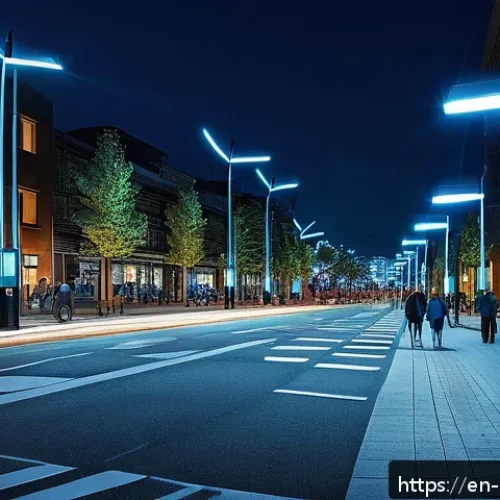
I recall a city that implemented smart street lighting that not only saved energy but also improved public safety, leading to more foot traffic in downtown areas and a boom for local night-time businesses.
Looking ahead, I think we’ll see more integration of digital twins – virtual replicas of physical city systems – allowing urban planners to simulate changes and optimize outcomes before any real-world construction.
This means smarter, more resilient development. Also, expect an even greater emphasis on digital inclusion, ensuring that widespread broadband access and digital literacy programs truly empower all residents, bridging the digital divide and unlocking economic opportunities for underserved communities.
It’s all about creating an ecosystem where technology serves people, making our urban spaces not just “smart,” but truly brilliant places to live and work.