The Unseen Impact How Urban Regeneration Master Plans Are Quietly Reshaping Our Cities

webmaster

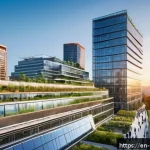
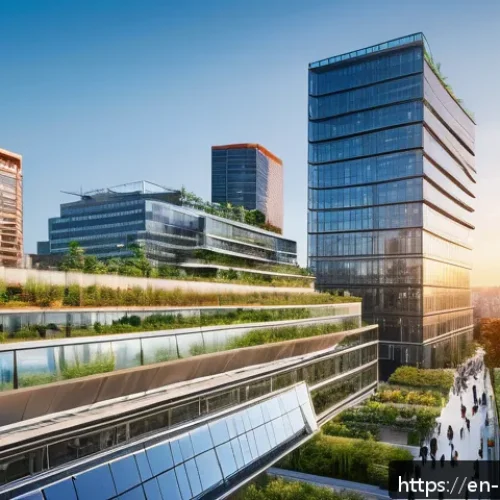
도시재생 마스터플랜 - **Prompt:** A vibrant, reimagined urban park seamlessly integrated into a bustling city center. The ...

Hey everyone, it’s great to connect with you here! Have you ever walked through an older part of your city and thought, “Wow, this place has so much potential, if only…”?

That ‘if only’ is exactly what an Urban Regeneration Master Plan aims to tackle. From my own experience, seeing communities like those in parts of Manchester or even smaller American towns transform from struggling industrial hubs into vibrant, sustainable neighborhoods is truly inspiring.

It’s not just about fixing up old buildings; it’s about reimagining entire districts, injecting new life with green spaces, smart technology, and fostering a real sense of community.

These plans are the blueprints for a more equitable and exciting urban future, often incorporating the latest trends in sustainable design and economic revitalization.

If you’ve been curious about how cities are being reinvented for the 21st century, you’re definitely in the right place, and I’m excited to share some insights.

Let’s dive in and truly understand the magic behind making our cities thrive again.

Reimagining Our Cityscapes: The Art of Urban Revival

도시재생 마스터플랜 - **Prompt:** A vibrant, reimagined urban park seamlessly integrated into a bustling city center. The ...

Beyond Just Bricks and Mortar: A Holistic View

You know, when I first started looking into urban regeneration, I thought it was mostly about knocking down old buildings and putting up shiny new ones. Boy, was I wrong! It’s so much more nuanced and deeply human than that. It’s about taking a tired, underutilized part of a city and breathing new life into it, not just aesthetically, but socially, economically, and environmentally. Think about places like King’s Cross in London, which has transformed from an industrial wasteland into a vibrant hub with offices, homes, retail, and public spaces. Or even closer to home, the way some American towns are reinventing their downtowns, moving beyond just business districts to create “super” neighborhoods with mixed uses – commercial, residential, educational, and cultural. It’s truly a testament to what thoughtful planning can achieve when it focuses on the well-being of residents first and foremost. This holistic approach is crucial, because without it, you’re just building structures, not communities. From my perspective, a successful master plan considers the entire ecosystem of a city, acknowledging that everything is interconnected. It’s about creating places where people not only *can* live and work, but *want* to live and work, fostering a genuine sense of belonging.

The Grand Vision: What’s in a Master Plan?

So, what exactly is this “master plan” everyone talks about? Honestly, it’s the blueprint, the strategic roadmap that guides this massive undertaking. It’s not a rigid, one-size-fits-all document; instead, it’s a dynamic framework designed to address urban decay, often stemming from things like industrial decline, population shifts, or even natural disasters. These plans encompass a wide array of interventions: we’re talking about everything from renovating existing buildings and clearing derelict sites to creating new housing, parks, and enhancing public transportation. For example, cities like Birmingham in the UK have comprehensive regeneration masterplans, like the “Big City Plan,” which aims to create thousands of jobs and inject billions into the local economy. I’ve seen firsthand how these plans, when done right, become the backbone for sustained development, attracting investment and creating a positive ripple effect. It’s about careful analysis of the present and strategic consideration of the future, ensuring resources are used efficiently to benefit communities.

Community at the Core: Engaging Every Voice

Building Trust Through Real Participation

One thing I’ve learned from watching these projects unfold is that without genuine community engagement, even the best-laid plans can fall flat. It’s not just about holding a few town hall meetings as an afterthought; it’s about making residents and local stakeholders active contributors from the very beginning. Think about it – who knows a neighborhood better than the people who live, work, and play there every single day? Their insights are invaluable. I remember seeing a project in Portland, Oregon, where the Neighborhood Planning Program actively invites residents to participate in designing and implementing their local plans, leading to policies that truly reflect diverse community needs. This approach fosters a sense of ownership and trust, which is absolutely critical for the long-term success of any regeneration effort. When people feel heard and see their ideas incorporated, they become advocates, not just passive recipients, and that’s a powerful transformation.

Tools for a Connected Community

In today’s digital age, the ways we can engage communities have really expanded. Beyond traditional public meetings and workshops, planners are now leveraging online platforms, surveys, and even geolocation data to gather feedback and understand community dynamics. I’ve seen examples where digital tools, like co-design applications or platforms for participatory budgeting, allow citizens to propose and even vote on regeneration initiatives. It’s a fantastic way to reach a broader audience, especially those who might not be able to attend physical meetings. This blend of traditional and technological engagement helps ensure that urban planning isn’t happening in a vacuum but is truly built on collaboration and public input, leading to more resilient and livable environments. It ensures that the spaces created truly serve the people who use them, making the whole process more transparent and inclusive.

Advertisement

Green Futures: Weaving Sustainability into the Fabric

From Concrete Jungles to Green Havens

Sustainability isn’t just a buzzword anymore; it’s a fundamental principle woven into modern urban regeneration. We’re moving away from the idea of cities as separate from nature and embracing them as ecosystems in their own right. This means prioritizing green infrastructure like parks, green roofs, and sustainable drainage systems. I’m constantly amazed by projects that transform grey, unused spaces into vibrant green areas, improving air quality, enhancing biodiversity, and giving residents a much-needed connection to nature. Take Barcelona’s “Superblocks” initiative, for instance, which converts traditional city blocks into pedestrian-friendly zones with more green spaces, leading to reduced traffic and improved air quality. It’s not just about aesthetics; it’s about creating healthier, more resilient environments that can stand up to the challenges of climate change. It’s about designing flood-resistant buildings and adaptive landscapes, ensuring our cities are prepared for whatever the future throws at them.

Energy Efficiency and Resourcefulness

Beyond green spaces, sustainable regeneration dives deep into how we power and resource our cities. This means a strong focus on energy efficiency, integrating renewable energy sources, and implementing smart grids. From my observations, modern regeneration projects are often at the forefront of this, incorporating practices like retrofitting older structures for energy efficiency and using smart technologies to monitor and manage energy consumption. It’s all part of a larger push towards circular economy principles, where waste is minimized, and resources are maximized through practices like reusing existing buildings and materials, and promoting local production. The goal is to create cities that are not just beautiful, but also highly efficient and responsible in their use of natural resources, setting a benchmark for future urban development. This shift ensures long-term environmental and economic benefits, creating places where the cost of living and operating can be significantly reduced over time.

Economic Powerhouses: Fueling Growth and Opportunity

Attracting Investment and Jobs

Let’s be real, a huge part of revitalizing an area is about jumpstarting its economy. Urban regeneration acts as a powerful magnet, attracting new businesses, investments, and creating a wealth of job opportunities. I’ve seen how these projects generate employment across the board, from the construction workers building new infrastructure to the retail employees filling new shops. When an area becomes more attractive to businesses, it creates a virtuous cycle of growth. For example, the transformation of Salford Quays into MediaCityUK in Manchester, UK, attracted major broadcasters like the BBC and ITV, generating a massive economic boost and countless jobs. It’s not just about big corporations either; it’s about supporting small businesses and startups, reinvigorating local communities and creating places where people genuinely want to live and work. This economic regeneration strengthens local economies and supports residents, creating further opportunities for development.

Boosting Property Values and Local Commerce

Beyond direct job creation, regeneration has a significant impact on property values and local commerce. As areas improve, property values naturally appreciate, benefiting existing homeowners and attracting new residents and businesses. This increased activity translates into higher tax revenues for local governments, which can then be reinvested into public services and infrastructure, further enhancing the area. Improved infrastructure, new transport hubs, and attractive public spaces all lure customers and new residents, transforming the old, neglected urban landscape. Think about it like this: when a neighborhood gets better schools, more parks, and easier commutes, demand for homes and commercial spaces goes up. I’ve witnessed this time and again – a well-executed regeneration plan can turn a struggling district into a highly desirable location, boosting the prosperity of the entire community.

Advertisement

Smart City Integration: Tech for a Better Tomorrow

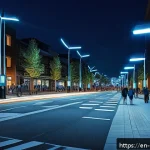
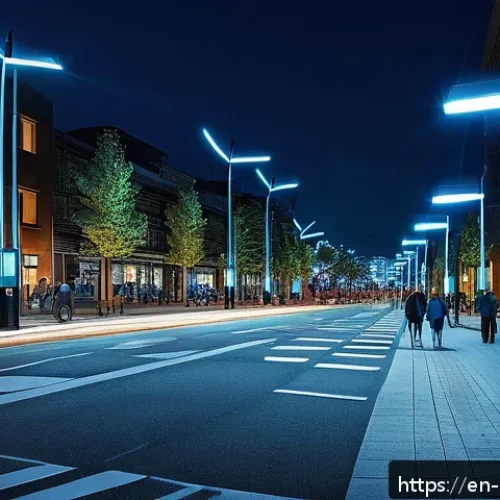
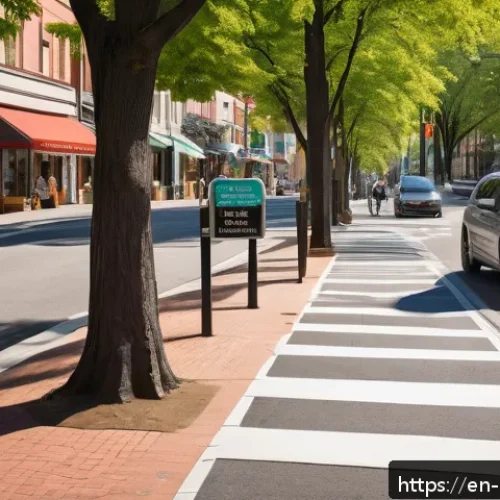
도시재생 마스터플랜 - **Prompt:** A lively, regenerated downtown street scene bustling with community spirit and local eco...

Leveraging Technology for Livable Spaces

The concept of “smart cities” is no longer just futuristic sci-fi; it’s becoming an integral part of urban regeneration. We’re talking about integrating digital technologies like IoT (Internet of Things), AI, and data analytics to improve infrastructure and enhance daily life. From smart lighting that adjusts based on presence to intelligent waste management systems, these innovations make cities more efficient and sustainable. I’ve seen how real-time traffic management solutions can cut down on congestion and reduce travel times, which is a huge quality-of-life improvement for commuters. It’s about optimizing urban services and resources, creating environments that are responsive to residents’ needs and promoting sustainable development. When planners weave these intelligent solutions into regeneration projects, they’re not just modernizing; they’re creating adaptable and resilient communities ready for the future.

The Digital Backbone: Connectivity and Services

At the heart of any smart city initiative is a robust digital backbone. This includes not only high-speed internet but also interconnected infrastructure and data-driven systems. Imagine public facilities with smart lighting that conserves energy, or public transport that is seamlessly integrated through data platforms to reduce pollution and promote sustainable options. I truly believe that enhanced connectivity plays a crucial role in strengthening the relationship between governing bodies and the people, making it easier to access essential services and even opening up new employment opportunities. This integrated approach streamlines municipal operations and delivers better services to citizens, allowing them to engage in local governance or report issues directly from their smartphones. It’s about creating a truly interconnected ecosystem where technology serves to enhance every aspect of urban living.

Navigating the Hurdles: The Realities of Revitalization

Addressing Displacement and Gentrification

While urban regeneration offers incredible benefits, it’s vital to acknowledge and address its potential downsides. One of the biggest challenges is socio-economic displacement and gentrification. As areas become revitalized, property prices can soar, pushing out long-term, often lower-income residents who can no longer afford to live there. This can lead to a loss of cultural identity and social segregation, which is something I feel very strongly about preventing. It’s heartbreaking to see communities lose their essence in the pursuit of ‘progress.’ That’s why it’s absolutely crucial for master plans to include strong provisions for affordable housing, offer protections for existing communities, and ensure local economic development benefits everyone, not just new arrivals. The aim is to create inclusive communities, not just economically vibrant ones. Finding solutions to preserve affordable housing options is crucial to mitigating this issue.

Funding and Stakeholder Harmony

Another significant hurdle often comes down to funding and managing the diverse interests of numerous stakeholders. Urban regeneration projects require substantial capital investment, and securing sustained funding from the outset is essential. Insufficient financial resources can delay construction, compromise infrastructure quality, and limit the project’s overall effectiveness. Beyond money, these projects involve a complex web of stakeholders – from residents and local businesses to developers, government agencies, and cultural groups. Conflicts can easily arise if their expectations and interests aren’t carefully balanced and integrated. I’ve observed that clear, transparent communication and a strong, centralized governance structure are key to navigating these complexities, ensuring that commercial interests don’t overshadow the social and environmental goals. It’s a delicate dance, but when everyone is working towards a common, well-communicated vision, the outcomes are far more impactful.

Advertisement

Measuring the Impact: How Do We Know It’s Working?

Beyond Financial Gains: Holisitic Success Indicators

So, after all the planning, construction, and community engagement, how do we truly measure if an urban regeneration project has been a success? It’s definitely more than just looking at profit margins or how many new buildings went up. While economic growth and increased property values are important, they’re only part of the story. From my perspective, real success means seeing improvements in quality of life, resident satisfaction, and social inclusion. We need to look at things like reduced crime rates, better access to essential services like healthcare and education, and the creation of vibrant public spaces that people actually use and enjoy. Metrics should also include environmental assessments, like improved air quality and increased green spaces. It’s about collecting data on people’s movement, their sense of belonging, and whether the project has fostered a stronger, more cohesive community. A truly successful regeneration project leaves a lasting positive legacy for everyone.

Long-Term Vision and Continuous Evaluation

Measuring success in urban regeneration isn’t a one-time event; it’s an ongoing process that requires a long-term approach and continuous evaluation. Projects often have long development cycles, and their true impact might not be fully realized for years. This means regularly monitoring key indicators, tracking trends in employment, poverty, demographics, and housing affordability, and assessing equitable access to the benefits of revitalization. I firmly believe in setting clear, long-term outcomes at the outset and then consistently checking progress against those goals. This allows for adaptability – if something isn’t working as planned, adjustments can be made. It’s also incredibly important to celebrate the wins, big and small, and communicate progress transparently to the community. This sustained commitment to evaluation ensures that these ambitious plans don’t just achieve immediate results but foster truly sustainable, thriving urban environments for generations to come. It’s about ensuring these initiatives bring real, long-term change and transform the lives of our urban populations.

Key Stages of Urban Regeneration What It Involves (My Experience) Why It Matters for Residents
Vision & Strategy Formulation This is where the big ideas begin! Planners, local authorities, and community representatives come together to dream up what a revitalized area could look like. It’s a lot of brainstorming, data analysis, and setting ambitious, yet realistic, goals. This stage defines the future of their neighborhood, setting the foundation for improved living conditions, new opportunities, and a clearer sense of direction.
Community Engagement & Planning My favorite part! This is when we really listen to the people on the ground. Workshops, surveys, public forums – it’s all about gathering input, understanding needs, and getting buy-in from those who will be directly affected. Ensures their voices are heard and their local knowledge is incorporated, making sure the plans reflect real-life needs and prevent displacement or cultural loss.
Funding & Partnerships This is often the trickiest bit: securing the money! It involves forging collaborations between local governments, private developers, and sometimes even national funding bodies. It’s all about making sure the resources are there. Guarantees the project has the necessary resources to move forward, leading to quality infrastructure, services, and amenities without undue delays.
Design & Implementation Bringing the vision to life! Architects, engineers, and construction teams get to work, renovating buildings, creating green spaces, and upgrading infrastructure. It’s a busy time with lots of visible change. Results in tangible improvements – new homes, better transport, parks, and job opportunities, directly enhancing daily life and local aesthetics.
Management & Evaluation It doesn’t end when construction stops! This phase is about ongoing management of new facilities, attracting businesses, and constantly monitoring the project’s impact against its initial goals to ensure long-term success. Ensures that the benefits are sustained, new amenities are well-maintained, and any emerging issues are addressed, guaranteeing a lasting positive legacy.

Wrapping Things Up

Whew, we’ve covered a lot today, haven’t we? It’s truly fascinating to see how our cities are constantly evolving and adapting. Urban regeneration, when done thoughtfully and with community at its heart, isn’t just about making places look pretty; it’s about building stronger, more vibrant, and sustainable communities for all of us. I genuinely believe that by embracing these holistic approaches, we can create urban environments that truly enhance our lives, providing both prosperity and a profound sense of belonging. It’s an exciting journey, and I can’t wait to see what innovative transformations unfold next in our urban landscapes!

Advertisement

Handy Tips for the Urban Enthusiast

Here are a few quick takeaways that I’ve found incredibly useful when thinking about urban spaces and their future:

1. Look for Mixed-Use Developments: When a neighborhood blends residential, commercial, and green spaces, it often signifies a healthier, more vibrant community. These areas tend to be more walkable and offer a better quality of life.

2. Engage with Local Plans: Your local council or city planning department often has public consultations on regeneration projects. Getting involved, even just by providing feedback, ensures your voice is heard and helps shape your community’s future.

3. Spot Green Infrastructure: Keep an eye out for sustainable features like green roofs, community gardens, or enhanced public parks. These aren’t just pretty; they improve air quality, manage stormwater, and boost biodiversity.

4. Consider Connectivity: Strong public transport links, bike lanes, and pedestrian-friendly zones are huge indicators of a well-planned urban revival. Easy access to amenities without a car is a major plus for modern living.

5. Observe Community Spirit: A genuinely successful regeneration isn’t just about new buildings; it’s about the people. Look for thriving local businesses, community events, and a strong sense of pride among residents. That’s the real magic!

Key Takeaways

Ultimately, urban regeneration is a complex yet incredibly rewarding endeavor. It’s about more than just construction; it’s a holistic journey focused on community engagement, economic revitalization, environmental sustainability, and smart technology integration. We’ve seen how crucial it is to consider social equity, secure robust funding, and continuously evaluate success beyond mere financial metrics to create truly inclusive and thriving urban environments. By addressing challenges like gentrification head-on and fostering genuine collaboration, we can build cities that are not only resilient and prosperous but also deeply connected to the people who call them home, ensuring a vibrant future for everyone.

Frequently Asked Questions (FAQ) 📖

Q: What’s the real magic behind an Urban Regeneration Master Plan, beyond just new buildings?

A: Oh, that’s such a fantastic question, and one I get asked all the time! From my personal experience, and what I’ve seen firsthand in places like the revitalized waterfronts in cities, it’s so much more than just putting up shiny new structures.
The real magic, in my opinion, lies in the holistic transformation that breathes new life into a place. Imagine a tired old district, perhaps an industrial area that’s been neglected for decades.
An Urban Regeneration Master Plan doesn’t just tear down and rebuild; it thoughtfully integrates green spaces, introduces smart technology, and most importantly, fosters a vibrant sense of community.
It’s about crafting an environment where people genuinely want to live, work, and play, creating opportunities for businesses to flourish, and making sure that the new development truly serves the people who call that area home.
Think of it as a meticulously woven tapestry, where every thread—from sustainable design to improved public transport—contributes to a stronger, more beautiful whole.
It’s about enhancing well-being, both physically and mentally, by improving living conditions and providing access to better amenities. When done right, you see a ripple effect: increased property values, new job opportunities, and a renewed sense of pride among residents.
It’s truly inspiring to witness neighborhoods go from forgotten corners to thriving hubs where culture, commerce, and community happily coexist.

Q: How do these master plans actually impact the everyday lives of residents in these regenerated areas?

A: This is where the rubber meets the road, isn’t it? It’s one thing to talk about grand visions, but what does it feel like for someone living there? I’ve heard so many stories, and what consistently stands out is the profound shift in daily experience.
For starters, you often see a dramatic improvement in public spaces. Suddenly, there are new parks where families can gather, safer streets that encourage walking and cycling, and better public transport links that make commuting less of a headache.
I remember one resident telling me how her daily walk with her kids completely changed from dodging litter to enjoying beautifully landscaped paths – a small change, perhaps, but it made a world of difference to her sense of well-being.
Beyond aesthetics, there’s the economic uplift. Regeneration often brings in new businesses, which means more local job opportunities and a wider variety of shops and services right on your doorstep.
Access to better healthcare facilities, schools, and cultural venues also becomes a reality. Critically, a well-executed plan actively involves the community in the design process, ensuring that the new developments reflect local needs and desires.
This fosters a stronger sense of belonging and ownership, making the community more resilient. While there are sometimes concerns about gentrification and housing affordability – and those are absolutely valid points that good planning tries to mitigate – the goal is always to enhance the quality of life for everyone, creating an environment where opportunities abound and people feel truly connected to their surroundings.

Q: Can just any city or town undertake one of these plans, or are there specific ingredients for success?

A: That’s a crucial question, because not all regeneration efforts hit the mark, right? While the desire to revitalize can certainly spark anywhere, from what I’ve observed in various projects, there are definitely some key ingredients that separate the wildly successful transformations from the ones that just sort of…
fizzle. First off, strong political leadership and a clear long-term vision are absolutely non-negotiable. Without a consistent drive from local authorities, even the best ideas can get bogged down.
Then, and this is massive, you need genuine community engagement. It’s not just a box-ticking exercise; it means truly listening to residents, understanding their needs, fears, and hopes, and integrating their input into the plan.
Without that grassroots buy-in, even the prettiest designs won’t feel like their city. Financial resources are another huge piece of the puzzle, and often, this means forging robust public-private partnerships to leverage both public investment and private funding.
It’s rare for the public sector alone to have the massive capital needed. Finally, sustainability and adaptability are key trends I’m seeing everywhere.
A successful plan doesn’t just fix today’s problems; it anticipates future challenges like climate change and population shifts, designing for long-term resilience and flexibility.
So, while the ambition can be universal, the execution requires a blend of political will, financial savvy, deep community involvement, and forward-thinking design.
When these elements align, that’s when you see truly inspiring, lasting change.

Advertisement