Living in a city these days often feels like a constant juggling act, doesn’t it? Especially when you’re trying to find a place to call home that truly feels right without completely emptying your wallet.
I’ve personally navigated the incredibly competitive rental markets in some of the most bustling metropolises, and let me tell you, it’s a journey filled with both exhilarating highs and some genuinely frustrating lows.
It really makes you wonder: how are our cities actually working to make things better, more equitable, and more accessible for everyday people like us?
From the spiraling rents that seem to climb higher every year to the inspiring dream of truly sustainable urban living, housing is undeniably at the very core of our communities.
Governments and local councils everywhere are constantly grappling with incredibly complex issues, always striving to craft policies that don’t just patch up current housing crises but also lay a solid foundation for future generations.
We’re seeing some truly fascinating and innovative solutions emerging, everything from new affordable housing initiatives to cutting-edge smart city planning that thoughtfully integrates community well-being.
So, if you’ve ever felt that familiar pinch of urban living, or simply found yourself pondering the often-invisible forces that are shaping our cityscapes, you’ve definitely landed in the perfect spot.
I’ve got all the latest insights and trends to share, so let’s dive in and get into the real details!
Navigating the Maze: Innovative Pathways to Affordable Homes
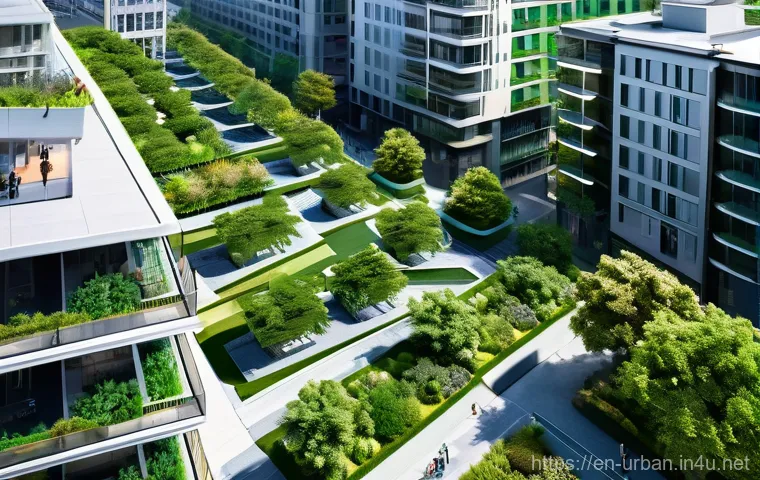
Living in a bustling city is exhilarating, but let’s be real, finding a truly affordable place to call your own can feel like navigating a complex maze blindfolded.
I’ve personally experienced the sheer frustration of endlessly scrolling through rental listings, only to find prices that make your jaw drop. It makes you wonder how anyone manages, doesn’t it?
The good news is, there are some incredibly creative minds out there, alongside determined community leaders, who are actively pioneering new models to tackle this head-on.
These aren’t just band-aid solutions; they’re fundamentally rethinking how we build, finance, and allocate housing to ensure more people have a genuine shot at a stable home without sacrificing their entire paycheck.
From co-living spaces designed for community to innovative modular construction that dramatically cuts costs, the landscape of affordable housing is evolving faster than ever.
It’s about more than just building units; it’s about crafting entire ecosystems where affordability is a feature, not a luxury. We’re seeing a shift from traditional development towards models that prioritize people over profit, creating opportunities for genuine community building within these new housing frameworks.
Rethinking Residential: The Rise of Co-Living and Micro-Units
I used to think co-living was just for college students, but my perspective completely shifted after seeing some incredible spaces emerge in cities like London and New York.
These aren’t dorms; they’re thoughtfully designed apartments with private bedrooms and shared common areas, fostering a genuine sense of community. What truly struck me was how these models significantly reduce individual rent burdens while offering amenities that would be financially out of reach for a single person.
Similarly, micro-units, while sometimes sparking debate about living small, are proving to be a game-changer for solo urbanites. They’re compact, efficient, and often located in prime areas, providing an entry point into expensive markets that would otherwise be completely inaccessible.
It’s about maximizing space and minimizing cost, allowing residents to save more and experience city life without feeling perpetually squeezed. I’ve heard so many stories from friends who’ve embraced this lifestyle and found it incredibly liberating.
Modular Magic: Building Faster and Cheaper
Have you ever wondered why construction takes so long and costs so much? Well, modular construction is literally turning that on its head. Imagine homes being built in factory settings, complete with plumbing and wiring, then simply transported and assembled on-site.
It’s like giant LEGOs, but for actual buildings! I’ve been fascinated by how this approach dramatically slashes construction times and reduces waste, leading to substantial cost savings that can be passed on to residents.
It’s not just about speed; it’s about precision and quality control that you often don’t get with traditional methods. For communities desperate for more affordable housing options, this technology is a beacon of hope, promising quicker delivery of much-needed homes and helping to alleviate some of the immediate pressures on the housing market.
It’s truly a testament to human ingenuity finding solutions to complex problems.
Building Smarter, Living Better: The Rise of Tech-Integrated Urban Planning
The idea of a “smart city” used to feel like something out of a sci-fi movie, didn’t it? But trust me, it’s very much a reality now, and it’s having a profound impact on how we think about urban housing and daily life.
I’ve always been a bit of a tech enthusiast, so watching cities integrate digital solutions to improve everything from traffic flow to energy consumption has been truly exciting.
What’s even more impressive is how this technological integration is directly contributing to creating more livable, sustainable, and even more affordable urban environments.
It’s not just about flashy gadgets; it’s about using data and connectivity to make our cities more efficient, responsive, and, ultimately, more equitable for everyone.
Imagine a city where your commute is smoother, your energy bills are lower, and public services are always at your fingertips – that’s the promise of smart urban planning, and it’s starting to materialize right before our eyes.
Leveraging Data for Housing Decisions
One of the coolest things I’ve learned about smart city initiatives is how much they rely on data. Governments and urban planners are collecting and analyzing everything from public transport usage to demographic shifts, and this information is invaluable when it comes to housing.
For instance, data can pinpoint areas with the greatest need for affordable housing, identify underutilized land, or even predict future population growth patterns.
I’ve seen how this data-driven approach allows for more strategic investments, ensuring that new housing developments are built where they’re most needed and designed to serve the actual residents.
It takes a lot of the guesswork out of urban development, replacing it with informed, evidence-based decisions that ultimately benefit the entire community.
It’s like having a superpower for urban planning, helping us avoid past mistakes and build for a better future.
Smart Infrastructure for Sustainable Living
Beyond just planning, smart city tech is embedded in the very infrastructure of our homes and neighborhoods. Think about smart grids that optimize energy distribution, leading to lower utility bills and a reduced carbon footprint for residents.
Or intelligent waste management systems that make cities cleaner and more efficient. I’ve been particularly impressed by pilot projects featuring smart street lighting that adjusts to pedestrian traffic, saving energy and enhancing safety.
These innovations aren’t just about convenience; they’re about building resilience and sustainability directly into our urban fabric. For me, knowing that the building I live in is part of a larger, interconnected system working towards a greener future is incredibly reassuring and makes urban living feel much more intentional and responsible.
Community at the Core: How Local Initiatives are Reshaping Neighborhoods
Honestly, sometimes big government policies feel so far removed from our daily lives, don’t they? That’s why I find local, community-led housing initiatives so incredibly inspiring.
It’s where real people, often your neighbors, come together to solve problems that directly affect them. I’ve seen firsthand how these grassroots efforts can breathe new life into struggling areas and create housing solutions that are genuinely tailored to the needs of the residents.
It’s not just about providing shelter; it’s about fostering a sense of belonging, ownership, and mutual support that often gets lost in larger, more impersonal development projects.
These initiatives tap into the innate human desire to help one another and build a better future together, creating a ripple effect that strengthens the entire community fabric.
Community Land Trusts: A Model for Permanent Affordability
If you haven’t heard of Community Land Trusts (CLTs), you absolutely should! I think they’re one of the most brilliant models for ensuring long-term housing affordability.
Here’s how they work: the CLT owns the land, taking it out of the speculative market, while homeowners purchase just the building. This drastically reduces the initial purchase price and keeps homes affordable for generations, even as market prices soar.
I personally know people who’ve been able to buy their first home through a CLT in incredibly expensive cities, something they never thought possible.
It’s a truly equitable model that empowers communities to control their own destiny and protect their residents from the relentless pressures of gentrification.
It’s a beautiful example of how shared ownership can create lasting benefits.
Resident-Led Redevelopment and Cooperative Housing
Imagine having a real say in how your neighborhood is developed, or even owning a share in your apartment building. That’s the power of resident-led redevelopment and cooperative housing.
I’ve seen communities successfully push back against developers trying to build luxury condos, instead advocating for mixed-income housing or even taking on the development themselves.
Cooperative housing, where residents jointly own and manage their building, is another fantastic example. My friend Sarah lives in a co-op in Brooklyn, and she raves about the sense of collective responsibility and the financial benefits of shared costs.
It’s about building homes and communities, not just selling units. These models encourage active participation and create a deeper connection between residents and their living spaces, making cities feel more like home.
Beyond Bricks and Mortar: Crafting Sustainable Urban Futures
When we talk about housing, it’s easy to just think about the buildings themselves. But what I’ve realized, especially living in a fast-paced city, is that true urban living goes way beyond bricks and mortar.
It’s about creating entire environments that are sustainable, resilient, and foster well-being for everyone who lives there. I’m talking about green spaces, efficient public transport, renewable energy – all the elements that contribute to a higher quality of life and a healthier planet.
It’s an exciting time because planners and developers are increasingly recognizing that building “green” isn’t just a nice-to-have; it’s an absolute necessity for our future cities.
We’re moving past simply putting up buildings and towards creating truly integrated, ecological urban ecosystems that work in harmony with nature and human needs.
Green Building Standards and Eco-Conscious Design
I’ve become a huge advocate for green building standards after learning how much impact they can have. From LEED certification to Passivhaus, these standards push developers to incorporate sustainable practices from the ground up.
This means using recycled materials, designing for maximum natural light and ventilation, and installing energy-efficient systems. When I was looking for my current apartment, I specifically sought out buildings with these features.
Not only do they often lead to lower utility bills (which, let’s be honest, is a huge plus!), but they also create healthier indoor environments. It’s genuinely about building homes that are good for us and good for the planet, ensuring that our urban expansion doesn’t come at an unbearable environmental cost.
Integrating Green Spaces and Urban Farms
One of my absolute favorite trends in urban planning is the reintegration of nature into cityscapes. It’s not just about having a few parks; it’s about creating living, breathing green infrastructure.
I’ve been amazed by projects turning neglected rooftops into vibrant urban farms, providing fresh produce for local residents and creating new community hubs.
Vertical gardens on building facades not only look stunning but also help improve air quality and cool down urban heat islands. These green spaces aren’t just aesthetically pleasing; they offer crucial benefits for mental health, biodiversity, and managing stormwater runoff.
It’s a holistic approach that recognizes our fundamental need for connection with nature, even in the densest urban environments.
Policy Power Plays: Government’s Role in a Fairer Housing Market

Let’s be honest, sometimes it feels like governments are playing catch-up when it comes to the housing crisis. But from what I’ve observed, many cities and national governments are seriously stepping up their game, implementing bold policies aimed at making housing more equitable and accessible.
It’s a complex dance between regulation, incentives, and direct investment, and it often sparks heated debates. However, I truly believe that strong, thoughtful government intervention is absolutely crucial to balancing the scales in what can often feel like an overwhelmingly market-driven environment.
Without these policy power plays, the dream of homeownership or even secure rental housing would simply remain out of reach for far too many. It’s about ensuring that the market serves the people, not the other way around.
| Policy Type | Description | Potential Impact on Affordability |
|---|---|---|
| Rent Control/Stabilization | Limits the amount landlords can increase rent, typically on existing tenants, to prevent excessive hikes. | Can protect current tenants from displacement and help stabilize living costs in high-demand areas. |
| Inclusionary Zoning | Requires or encourages developers to set aside a certain percentage of new units as affordable housing. | Increases the supply of affordable units within market-rate developments, promoting mixed-income communities. |
| Housing Vouchers/Subsidies | Government assistance for low-income families to help cover rental costs in the private market. | Directly reduces housing costs for eligible families, expanding access to a wider range of housing options. |
| Vacant Property Taxes | Taxes levied on properties left unoccupied for extended periods to incentivize their use or sale. | Can encourage landlords to rent or sell vacant units, potentially increasing supply and reducing speculation. |
Inclusionary Zoning: A Win-Win for Developers and Communities
Inclusionary zoning is one of those policies that, when done right, just makes so much sense. It basically says to developers, “Hey, if you want to build that shiny new luxury apartment complex, you also need to include a certain percentage of affordable units.” It’s not always easy to implement, and I’ve seen some intense discussions around it, but the idea is brilliant: ensure that new development contributes to solving the housing crisis rather than exacerbating it.
This creates mixed-income communities, which I personally believe are far healthier and more vibrant than segregated ones. It’s about weaving affordability into the very fabric of urban growth, rather than treating it as an afterthought.
Protecting Tenants: The Role of Rent Control and Stabilization
The debate around rent control is always fiery, but from a tenant’s perspective, I can totally understand the appeal. I’ve known friends who’ve faced astronomical rent increases year after year, forcing them out of neighborhoods they’ve called home for decades.
Rent control or rent stabilization policies aim to put a cap on how much landlords can raise rents, particularly for existing tenants. While critics argue it can stifle new development, proponents, myself included, see it as a vital tool to protect vulnerable residents from displacement and ensure some stability in an otherwise volatile market.
It’s about creating a safety net and giving people a fighting chance to stay in their communities.
The Human Element: Making Cities Work for Everyone
It’s easy to get caught up in the big numbers, the policy jargon, and the grand visions of urban planning. But at the end of the day, cities are about people.
It’s about whether you, me, and our neighbors can find a safe, affordable, and thriving place to live. I’ve always believed that the true measure of a city isn’t its skyline, but how well it serves all its residents, from the young professional to the elderly couple, the single parent to the aspiring artist.
This means really focusing on the human element in every decision, ensuring that housing policies are not just theoretically sound, but genuinely improve lives.
It’s about creating inclusive environments where everyone feels like they belong and has an equal opportunity to flourish.
Accessibility and Universal Design in Housing
One aspect of urban housing that I feel strongly about is accessibility. It’s not just about ramps for wheelchairs; it’s about universal design – creating homes and public spaces that are usable by everyone, regardless of age, ability, or temporary condition.
This means wider doorways, no-step entries, thoughtful bathroom layouts, and intuitive navigation. I’ve had family members who faced challenges with poorly designed spaces, and it truly highlighted how much of an impact thoughtful design can have.
When homes are built with universal design principles in mind, they serve a broader population, reduce the need for costly modifications later, and ultimately create more inclusive and adaptable communities for the long haul.
Combating Homelessness: A Collective Responsibility
It breaks my heart to see people living on the streets in our supposedly prosperous cities. Addressing homelessness isn’t just a housing issue; it’s a humanitarian crisis that demands our collective attention.
I’ve seen incredible work by non-profits and local governments implementing “housing first” initiatives, which prioritize getting individuals into stable housing immediately, without preconditions, and then providing supportive services.
The evidence shows this approach is not only more humane but also more cost-effective in the long run. It’s about recognizing the dignity of every individual and understanding that a stable home is the foundational step towards addressing other challenges like health, employment, and mental well-being.
Unlocking Urban Potential: Creative Solutions for Space and Density
Anyone who lives in a major city knows that space is a premium commodity. It often feels like every inch is accounted for, and yet, there’s also so much untapped potential.
This is where creative urban planning really shines, finding ingenious ways to increase density and create more housing options without sacrificing livability or character.
It’s about looking at our cities with fresh eyes and reimagining how existing spaces can be utilized more effectively. I’m always amazed by the innovative solutions that emerge when planners and communities work together to unlock this hidden urban potential, transforming what seems like constraints into exciting new possibilities for growth and vibrant community life.
Adaptive Reuse: Transforming Old into New Homes
One of the most exciting trends I’ve observed is adaptive reuse – taking old, disused buildings and transforming them into modern, vibrant housing. Think about an abandoned factory becoming stylish loft apartments, or an old office building being converted into mixed-income residences.
Not only does this preserve historical architecture and add unique character to a neighborhood, but it’s also a highly sustainable approach. It reduces the need for new construction materials and minimizes waste.
I’ve toured some incredible adaptive reuse projects that have completely revitalized forgotten corners of cities, creating not just homes, but entire new communities with a rich sense of history and contemporary flair.
Densification Done Right: Mid-Rise vs. High-Rise
The word “densification” sometimes scares people, conjuring images of endless high-rises. But it doesn’t have to be that way! There’s a growing movement towards “missing middle” housing – think duplexes, triplexes, townhouses, and smaller apartment buildings (mid-rise).
These types of housing increase density efficiently without drastically changing the neighborhood’s feel, providing more diverse and affordable options than single-family homes or towering skyscrapers.
I truly believe that smart densification, focusing on thoughtful design and community integration, is key to accommodating growth in our cities while maintaining their unique charm and ensuring a range of housing choices for everyone.
Wrapping Things Up
As we’ve journeyed through the innovative world of affordable housing, it’s clear that the path to a more equitable urban future is multifaceted and dynamic. It’s not just about erecting buildings; it’s about weaving together smart technology, thoughtful policy, and vibrant community engagement to create spaces where everyone can thrive. I truly believe that by embracing these forward-thinking approaches, we can transform the challenge of housing affordability into an incredible opportunity to build stronger, more resilient cities for generations to come. It’s a journey that requires collaboration and a commitment to people-first solutions, but seeing the creativity and dedication out there makes me incredibly optimistic.
Useful Information to Know
1. When you’re exploring housing options, don’t just stick to mainstream listings. Look into local community land trusts or co-operative housing initiatives in your area. These often provide stable, affordable routes to homeownership or long-term rental, and they’re usually fantastic communities to be a part of. I’ve personally seen friends find truly incredible homes this way, circumventing the typical market madness.
2. Get familiar with local government policies. Things like inclusionary zoning laws or specific housing assistance programs can make a huge difference. Many cities have departments dedicated to affordable housing resources, and a quick search on your city’s official website can reveal a wealth of information you might otherwise miss. It’s empowering to know what’s available to you.
3. Consider the long-term benefits of green building and smart home technologies. While the upfront cost might sometimes be slightly higher, the savings on utility bills and the overall enhanced living environment often make them a much more economical and comfortable choice in the long run. Plus, living in a sustainable home just feels good, knowing you’re doing your part for the planet.
4. Think about the potential of co-living or micro-units, especially if you’re a single urbanite or new to a city. They’re not for everyone, but they can offer an affordable entry point into desirable neighborhoods and often come with built-in communities and amenities that would be financially out of reach otherwise. It’s a different way to experience city life, and for many, it’s incredibly liberating and budget-friendly.
5. Engage with your local community. Attend neighborhood meetings, join resident associations, or support local non-profits focused on housing. Your voice and participation can directly influence local development projects and advocate for policies that prioritize affordable and equitable housing solutions. Real change often starts at the grassroots level, and your involvement makes a tangible difference.
Key Takeaways
Ultimately, solving the affordable housing crisis isn’t a single silver bullet, but rather a tapestry of innovative solutions, each playing a crucial role. We’ve explored how technological advancements in construction and urban planning can make cities more efficient and homes more accessible. We’ve also delved into the profound impact of community-led initiatives and smart government policies that protect residents and foster equitable growth. What resonates most with me, having seen these changes firsthand, is the incredible power of people and communities coming together to reimagine what urban living can and should be. It’s about building homes, yes, but more importantly, it’s about building inclusive, thriving neighborhoods where everyone has a secure foundation to build their lives upon. The future of our cities truly depends on our collective commitment to making housing a right, not a luxury.
Frequently Asked Questions (FAQ) 📖
Q: With rents climbing higher every year, what are some practical strategies for finding genuinely affordable housing in a bustling city today?
A: Oh, believe me, I’ve been there! The sheer panic of seeing apartment listings that feel like they require a small fortune just for a shoebox-sized space is all too real.
From my own experience, the absolute first step is to get brutally honest with your budget. Not just what you think you can afford, but what you can truly afford after all your other expenses.
Then, here’s a little secret I’ve learned: don’t just look in the trendiest neighborhoods. Seriously, cast a wider net! I once found a fantastic, much more affordable place just two subway stops further out than where everyone else was looking, and it opened up a whole new world of charming local cafes and parks I would have otherwise missed.
Also, don’t shy away from exploring roommate situations if you’re comfortable with it; splitting rent can dramatically reduce your costs. And here’s a tip I always share: delve into local housing authority websites.
Many cities have programs, lottery systems for affordable units, or even rental assistance initiatives that go completely unnoticed by most people. It takes a bit more digging than scrolling through Zillow, but it can absolutely pay off in a big way.
Q: Beyond just building more apartments, what innovative approaches are cities taking to create more equitable and sustainable housing for everyone?
A: It’s true, it’s not just about stacking more bricks and mortar anymore, is it? I’ve been fascinated by some of the forward-thinking solutions emerging.
One that really caught my eye is the rise of ‘community land trusts.’ This is where a non-profit organization actually owns the land to keep housing permanently affordable, while residents own the homes on it.
It’s brilliant because it removes the speculative nature of land value from the housing equation. Another super exciting development is adaptive reuse – turning old, underutilized buildings like defunct factories or office spaces into vibrant, new residential units.
It’s not only sustainable, reducing construction waste, but also breathes new life into neglected urban areas. And let’s talk about inclusionary zoning; this is where cities mandate that a certain percentage of new developments must be set aside for affordable housing.
It’s a powerful tool to ensure that economic diversity is built into new neighborhoods, rather than being an afterthought. These aren’t just buzzwords; these are tangible, human-centered approaches that are truly reshaping our urban landscapes for the better.
Q: As a resident, how can I personally get involved or make a difference in improving housing accessibility and sustainability in my own city?
A: That’s such a vital question, and it’s something I feel really passionate about! It’s easy to feel powerless when faced with huge urban challenges, but trust me, your voice matters more than you think.
A great starting point is simply educating yourself about local housing policies and upcoming development proposals in your area. Attending a city council meeting, even just virtually, can be incredibly insightful – it’s how I learned so much about what was happening right in my own neighborhood.
You can also join or support local housing advocacy groups; they’re often doing incredible work on the ground and are always looking for volunteers or even just a signature on a petition.
Even something as seemingly small as voting in local elections for candidates who prioritize affordable and sustainable housing can have a huge ripple effect.
And don’t underestimate the power of simply talking to your neighbors and building a stronger community. When people come together with shared concerns, that’s when real, lasting change truly begins to happen.
It’s about being an active participant in shaping the city you want to live in.