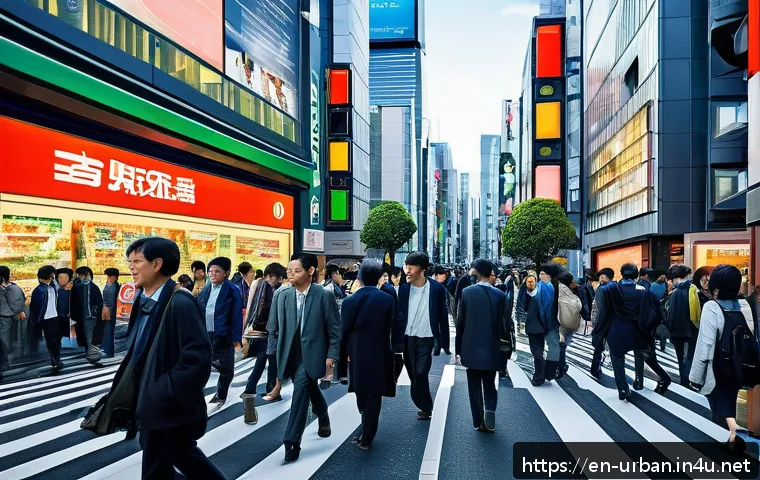
In today’s rapidly evolving world, cities are more than just places to live—they’re becoming hubs for health and wellbeing. With rising concerns about climate change, mental health, and urban congestion, smart urban planning has never been more crucial.
It’s fascinating how thoughtful design can transform city life, making it healthier, greener, and more connected. I’ve noticed that when communities prioritize walkability, green spaces, and sustainable infrastructure, the benefits ripple through every aspect of daily life.
Let’s explore how innovative urban strategies are shaping the future of vibrant, healthy cities where people can truly thrive.
Designing Streets That Invite Life
Crafting Walkable Neighborhoods
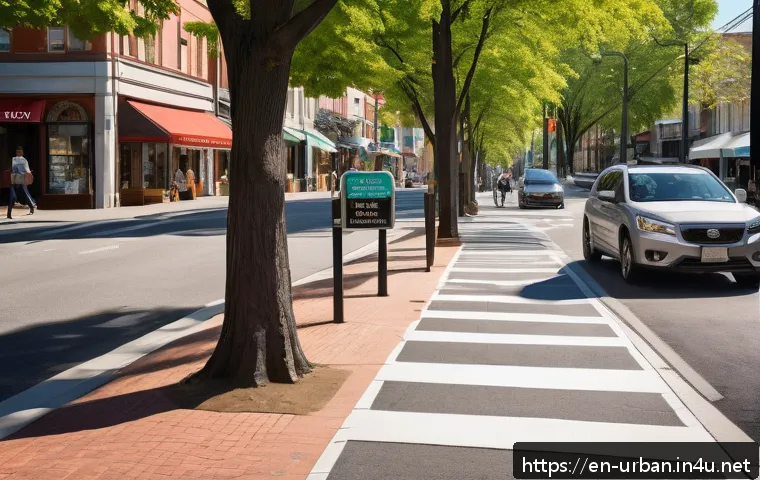
Creating streets where people want to walk isn’t just about sidewalks; it’s about making every step feel safe, interesting, and comfortable. When I explored neighborhoods with wide sidewalks, benches, and shade trees, it was clear that residents spent more time outdoors.
The presence of local shops, cafes, and frequent crosswalks naturally encouraged walking instead of driving. This kind of design reduces traffic congestion and improves air quality, but more importantly, it boosts spontaneous social interaction and physical activity.
In my experience, even subtle changes like better lighting or curb cuts can dramatically improve accessibility for all ages and abilities, encouraging more consistent use of public spaces.
Integrating Bike-Friendly Routes
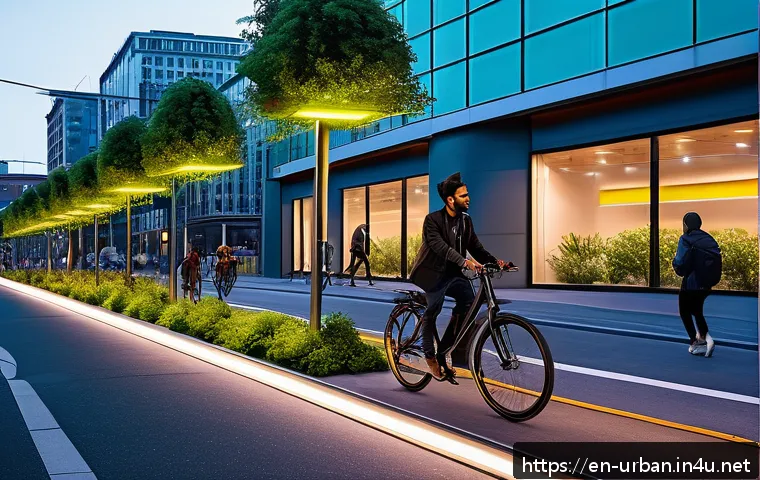
Bike lanes that are thoughtfully separated from car traffic make a huge difference in promoting cycling as a daily habit. From firsthand observation, cities with continuous, well-maintained bike paths see a rise in commuters who choose two wheels over four.
This shift not only reduces carbon emissions but also benefits personal health by incorporating exercise into the daily routine. What struck me was how bike-friendly infrastructure also tends to encourage a sense of community; cyclists often stop at local markets or parks, turning a commute into a social experience.
Moreover, bike-sharing programs linked with public transit create a seamless mobility network that’s both green and efficient.
Calming Traffic for Safer Streets
Lowering speed limits and adding traffic-calming measures like speed bumps or narrowed lanes have a surprisingly positive impact on neighborhood wellbeing.
I noticed that streets designed to slow down vehicles felt safer and more inviting for pedestrians and families. This encourages residents to spend more time outside, whether walking kids to school or simply enjoying a stroll.
Slower traffic also reduces noise pollution, which has a direct effect on lowering stress levels for people living nearby. Cities that prioritize these measures often report fewer accidents and a stronger sense of security, making the urban environment more livable.
Breathing Life into Green Spaces
Creating Multi-Use Parks
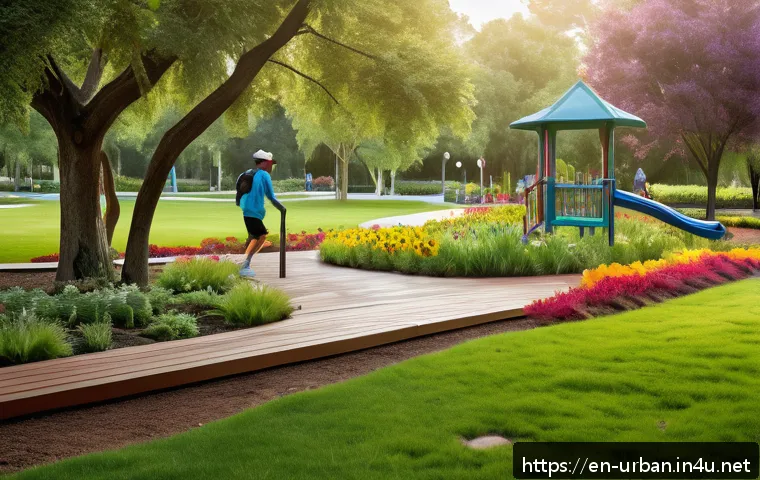
Parks that serve multiple purposes—recreation, relaxation, and community events—become the heart of a neighborhood. I’ve spent weekends in parks that offer jogging trails, playgrounds, and picnic areas, and it’s amazing how these spaces bring diverse groups together.
Multi-use parks not only provide a break from urban noise but also promote physical activity and mental restoration. From my visits, the presence of water features or natural vegetation adds a calming effect that helps reduce anxiety and fosters mindfulness.
These green oases become essential for urban dwellers craving a connection to nature.
Urban Forests as Air Purifiers
Trees in cities do more than beautify; they act as natural air filters and temperature regulators. I’ve observed that areas with dense tree coverage tend to have noticeably fresher air and cooler temperatures, especially during hot summers.
This is crucial in battling urban heat islands, which can exacerbate health problems like heat strokes and respiratory issues. Beyond the environmental benefits, urban forests provide habitat for birds and pollinators, enriching biodiversity right within city limits.
Experiencing a walk through a shaded, leafy avenue feels like a mini-escape, which can be incredibly refreshing for mental wellbeing.
Community Gardens That Grow More Than Food
Community gardens have a unique way of fostering both nutrition and social bonds. When I volunteered at a local garden, it was clear that tending plants together created a strong sense of ownership and pride among neighbors.
These gardens provide fresh produce, which is vital for food security in urban areas, but they also serve as informal gathering spots where people share stories and skills.
The hands-on nature of gardening encourages physical activity and mindfulness, which are key to reducing stress. Plus, these spaces often become classrooms for children, teaching them about ecology and healthy eating.
Harnessing Technology for Smarter Living
Real-Time Air Quality Monitoring
Cities that deploy sensors to track pollution levels provide residents with valuable information to make healthier choices. I’ve used apps linked to these systems that alert when it’s best to avoid outdoor exercise or when windows should be closed to reduce indoor pollution.
This data empowers people to protect their respiratory health, especially those with asthma or allergies. On a broader scale, real-time monitoring helps city planners identify pollution hotspots and take targeted action.
The transparency and accessibility of this data foster trust and encourage community participation in environmental initiatives.
Smart Lighting for Safety and Energy Savings
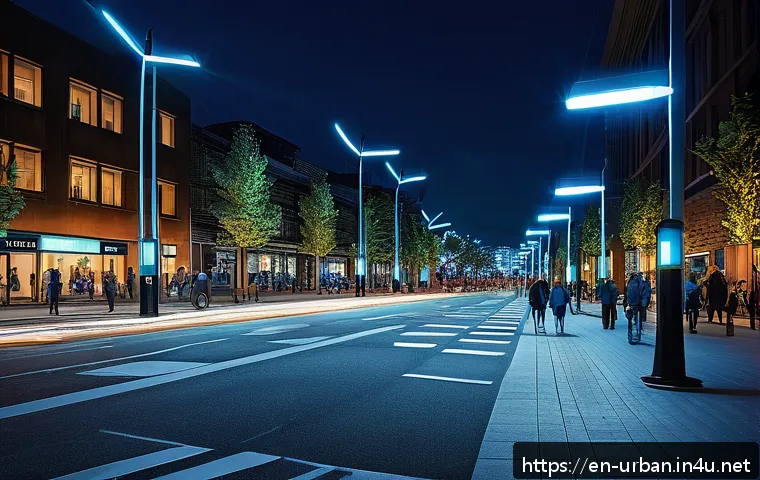
LED streetlights equipped with motion sensors and adaptive brightness controls optimize energy use while enhancing safety. Walking through neighborhoods with smart lighting felt reassuring; the lights brighten as you approach and dim when the street is empty, conserving electricity without compromising visibility.
This technology reduces light pollution and lowers city energy costs, which can be redirected into other public health projects. From my perspective, smart lighting also contributes to crime reduction by ensuring well-lit pathways during peak activity hours, creating a more secure urban environment.
Connected Public Transit Systems
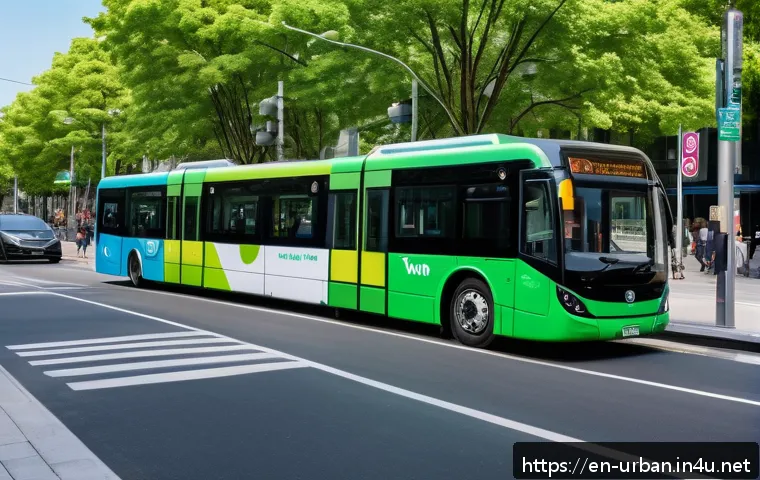
Integrated transit apps that combine bus, train, bike-share, and ride-hailing services make navigating cities smoother and more appealing. I’ve noticed that when people can plan trips seamlessly on their phones, they’re more likely to leave their cars at home.
This connectivity reduces traffic jams and emissions, improving overall air quality. Additionally, real-time updates on transit delays or crowding enhance user experience and accessibility, especially for people with disabilities or tight schedules.
A well-connected transit system supports equitable access to jobs, education, and healthcare, which are all pillars of a healthy city.
Designing for Mental Health and Social Connection
Spaces That Encourage Social Interaction
Urban spaces designed to promote casual encounters and group activities play a huge role in combating loneliness. From my experience, plazas with seating clusters, outdoor cafes, and art installations invite people to linger and connect.
These environments foster a sense of belonging and community resilience, which are vital for mental wellbeing. Programs that activate these spaces with markets, performances, or workshops further enhance social cohesion.
When people feel connected, stress decreases, and overall happiness rises, reinforcing the city’s role as a supportive backdrop for daily life.
Incorporating Nature for Psychological Benefits
The presence of natural elements like gardens, water features, and green roofs has a proven calming effect on the mind. I’ve found that even brief exposure to greenery during a hectic day can reduce anxiety and improve mood.
Urban planners who integrate these elements into buildings and public spaces help create restorative environments. This biophilic design connects people to nature, which is essential for mental health, especially in densely populated areas.
Nature’s subtle sensory stimuli—birdsong, rustling leaves, flowing water—offer a quiet refuge that nurtures emotional balance.
Community-Led Planning for Inclusive Growth
When residents actively participate in shaping their neighborhoods, the outcomes are more inclusive and health-focused. I’ve seen firsthand how community workshops and surveys bring diverse voices to the table, ensuring that plans address real needs rather than top-down assumptions.
This approach builds trust between citizens and local governments and encourages stewardship of shared spaces. Inclusive planning fosters environments where everyone, regardless of age, income, or background, can access amenities that support wellbeing.
The sense of empowerment and shared responsibility also strengthens social bonds and local identity.
Building Resilience Through Sustainable Infrastructure
Green Roofs and Walls for Urban Cooling
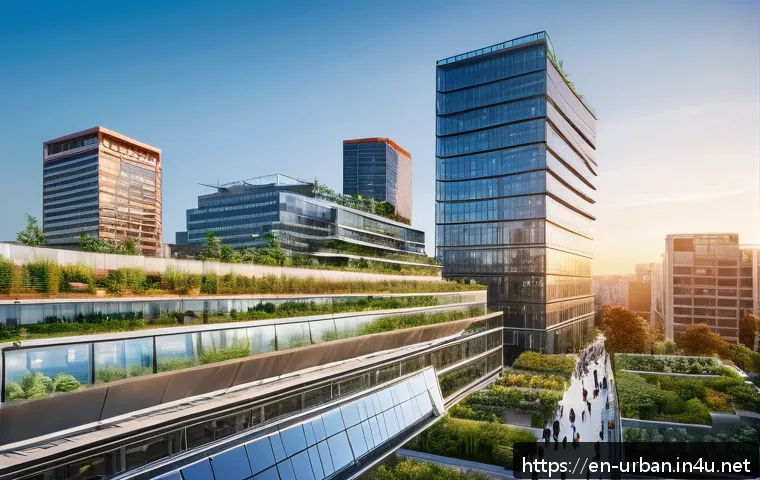
Installing vegetation on rooftops and building facades helps reduce heat absorption and improve insulation. I’ve noticed that buildings with green roofs tend to stay cooler in summer, reducing the need for air conditioning and lowering energy bills.
These installations also absorb rainwater, mitigating urban flooding and easing pressure on drainage systems. Beyond the environmental perks, green roofs provide habitat for urban wildlife and create tranquil spaces for residents and workers.
This multifunctional infrastructure contributes to a city’s ability to withstand climate challenges while enhancing quality of life.
Rain Gardens and Permeable Pavements
Innovative stormwater management techniques like rain gardens and permeable surfaces prevent waterlogging and improve groundwater recharge. I’ve seen neighborhoods transformed by these features, where previously flooded streets now manage rain more effectively.
These systems reduce pollutants entering waterways and create mini-ecosystems that support pollinators and birds. Permeable pavements also reduce heat retention compared to traditional concrete, adding to urban cooling efforts.
Such sustainable infrastructure not only protects the environment but also fosters safer, more pleasant neighborhoods.
Renewable Energy Integration in Urban Settings
Incorporating solar panels, wind turbines, and geothermal systems into city infrastructure reduces reliance on fossil fuels and cuts emissions. I’ve been impressed by urban projects that power public buildings and street lighting with renewable energy, setting examples for residents.
This transition supports cleaner air and helps cities meet climate goals, directly benefiting public health. Moreover, renewable energy initiatives often generate local jobs and stimulate innovation, contributing to economic resilience.
Encouraging residents to adopt green energy solutions creates a collective momentum toward sustainability.
Measuring Success: Health and Happiness Indicators
Tracking Physical Activity and Air Quality
Cities increasingly use data to evaluate how urban design affects health outcomes. From wearable tech to environmental sensors, the collection of physical activity levels and air pollution metrics offers actionable insights.
I’ve seen local governments adjust policies based on these indicators, like expanding bike lanes when cycling rates rise or planting trees in high-pollution zones.
This evidence-based approach ensures that investments yield tangible benefits for residents’ health and wellbeing.
Community Feedback and Engagement
Surveys, social media, and public forums provide vital feedback loops for continuous improvement. I’ve participated in neighborhood meetings where residents shared their experiences and suggested tweaks that planners hadn’t considered.
This ongoing dialogue helps maintain relevance and responsiveness in urban projects. Engaged communities feel more connected and are more likely to support maintenance and growth of health-promoting infrastructure.
Economic Benefits of Healthy Urban Living
Investing in health-centered urban design pays off through reduced healthcare costs and increased productivity. Studies I’ve reviewed show that cities with better air quality, walkability, and green spaces experience lower rates of chronic illness.
Additionally, vibrant neighborhoods attract businesses and tourism, fueling local economies. The table below summarizes key health and economic outcomes linked to smart urban planning:
| Urban Strategy | Health Impact | Economic Benefit | Community Effect |
|---|---|---|---|
| Walkable Neighborhoods | Increased physical activity, lower obesity rates | Higher property values, retail growth | Stronger social ties, safer streets |
| Green Spaces | Reduced stress, improved mental health | Lower healthcare costs | Inclusive gathering places |
| Smart Transit | Reduced pollution, improved access to care | Enhanced workforce mobility | Equitable transportation options |
| Sustainable Infrastructure | Lower heat-related illnesses | Energy savings, climate resilience | Environmental stewardship |
In Conclusion
Designing urban spaces with people’s health and happiness in mind creates vibrant, resilient communities. Thoughtful street layouts, green spaces, and smart technology all work together to improve quality of life. From my experience, small design choices can make a big difference in fostering connection and wellbeing. By prioritizing inclusivity and sustainability, cities can truly become places where everyone thrives.
Helpful Information to Know
1. Walkable neighborhoods encourage daily physical activity and reduce reliance on cars, which benefits both health and the environment.
2. Multi-use parks and urban green spaces are essential for mental restoration and social interaction in busy city life.
3. Smart infrastructure like real-time air quality sensors and adaptive street lighting enhances safety and promotes energy efficiency.
4. Community engagement in urban planning ensures that developments meet the real needs of residents and foster social cohesion.
5. Sustainable designs such as green roofs and permeable pavements help cities adapt to climate challenges while improving livability.
Key Takeaways
Successful urban design balances safety, accessibility, and aesthetics to create welcoming public spaces. Integrating nature and technology supports physical and mental health, while fostering community bonds strengthens social resilience. Inclusive planning that involves residents leads to more equitable and effective solutions. Ultimately, sustainable infrastructure not only protects the environment but also enhances economic and social wellbeing for city dwellers.
Frequently Asked Questions (FAQ) 📖
Q: uestionsQ1: How does urban design improve mental health in cities?
A: Urban design plays a significant role in mental health by creating environments that reduce stress and encourage social interaction. Incorporating green spaces like parks and community gardens provides residents with natural retreats that promote relaxation and physical activity.
Walkable neighborhoods encourage more outdoor time and casual social encounters, which can alleviate feelings of isolation and anxiety. From my own experience, cities with thoughtfully designed public spaces feel more inviting and uplifting, helping people feel more connected and mentally balanced.
Q: What are some examples of sustainable infrastructure in smart cities?
A: Sustainable infrastructure includes energy-efficient buildings, renewable energy sources like solar panels, green roofs, and efficient public transit systems.
Smart water management and waste recycling programs also play key roles. For instance, some cities now use sensor technology to optimize street lighting and reduce energy waste.
I’ve seen firsthand how integrating these elements not only cuts down environmental impact but also improves residents’ quality of life by making the city cleaner, quieter, and more resource-conscious.
Q: Why is walkability important for creating healthier cities?
A: Walkability encourages physical activity, reduces reliance on cars, and lowers air pollution—factors directly linked to better health outcomes. When neighborhoods are designed so people can easily walk to shops, schools, and parks, it fosters community engagement and supports local businesses.
In places where I’ve lived that prioritize walkability, I noticed a stronger sense of community and more vibrant street life, which positively influenced both physical health and social wellbeing.