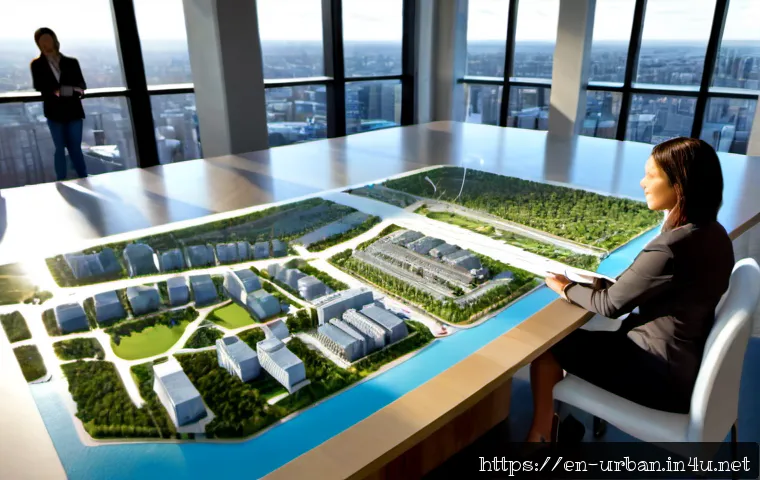
As cities worldwide grapple with escalating climate challenges and economic uncertainties, finding sustainable ways to fund urban development has never been more crucial.

Today, resilient city budgets are emerging as a vital tool to ensure communities thrive amid changing times. From innovative financing models to public-private partnerships, the landscape of urban finance is rapidly evolving.
If you’ve ever wondered how cities can balance growth with sustainability, this topic is for you. Let’s explore the cutting-edge strategies that are unlocking new possibilities for urban resilience and long-term prosperity.
Stay tuned to discover how smart financial planning is shaping the future of our cities.
Innovative Funding Approaches Transforming Urban Finance
Blending Public and Private Resources for Greater Impact
Cities are increasingly turning to public-private partnerships (PPPs) as a dynamic way to finance critical projects without overburdening municipal budgets.
In my experience, these collaborations not only unlock capital but also bring specialized expertise that local governments might lack. For instance, infrastructure upgrades or green space developments often benefit from private sector efficiencies and innovation.
However, the success of PPPs hinges on clear agreements and shared goals, ensuring that public interests remain front and center. When done right, these partnerships can accelerate development while maintaining fiscal responsibility and transparency.
Leveraging Green Bonds to Finance Sustainability
Green bonds have become a go-to financial instrument for cities aiming to fund environmentally friendly projects. I’ve seen several municipalities successfully issue these bonds to back renewable energy installations, sustainable transit systems, and climate resilience initiatives.
The appeal lies in their dual promise: generating financial returns while advancing ecological goals. Investors are increasingly drawn to these bonds, creating a favorable market that cities can tap into.
Yet, it’s crucial for local governments to provide detailed reporting on how proceeds are used, fostering trust and encouraging future investments.
Harnessing Technology for Smarter Revenue Collection
The rise of digital payment platforms and smart city technologies is revolutionizing how cities collect and manage revenues. From automated parking fees to dynamic congestion pricing, these tech-driven tools increase efficiency and reduce leakages in city coffers.
I recall a case where implementing a mobile payment system for public transport not only boosted fare compliance but also provided valuable data for service planning.
Embracing such innovations requires upfront investment and public communication to ensure user adoption, but the long-term benefits in revenue stability and service quality are well worth it.
Designing Budgets That Adapt to Uncertainty
Flexible Budgeting to Weather Economic Shocks
Rigid budgets can leave cities vulnerable when unexpected economic downturns hit. That’s why many municipalities are experimenting with flexible budgeting models that allow reallocations as priorities shift.
From my perspective, this adaptability is a game-changer. For example, during a sudden recession, funds initially earmarked for expansion can be redirected toward maintaining essential services or supporting local businesses.
This approach demands strong financial oversight and real-time data analytics to make informed decisions quickly, but it enhances resilience in the face of volatility.
Scenario Planning to Anticipate Future Needs
One practice that’s gaining traction is scenario-based budgeting, where cities develop multiple financial plans based on different possible futures. I’ve seen urban planners use this method to prepare for diverse outcomes, such as climate impacts or demographic changes.
By envisioning best, worst, and moderate cases, city leaders can prioritize investments that perform well under various conditions. This foresight helps avoid costly surprises and ensures resources are aligned with long-term sustainability goals, providing a solid foundation for adaptive governance.
Building Rainy Day Funds for Fiscal Stability
Establishing reserve funds has always been a prudent strategy, but its importance grows as cities face more frequent crises. In my experience, having a dedicated rainy day fund allows local governments to maintain services without drastic cuts during downturns.
The challenge lies in balancing immediate needs with saving for the future. Transparent policies and community buy-in are essential to ensure these funds are replenished regularly and used judiciously, ultimately safeguarding fiscal health and public trust.
Maximizing Community Engagement in Financial Decisions
Participatory Budgeting to Empower Residents
Engaging citizens directly in budget allocation is a powerful way to align spending with community priorities. I’ve witnessed how participatory budgeting can energize neighborhoods, making residents feel ownership over local projects.
This process often uncovers needs that traditional top-down budgeting might overlook, such as small-scale public space improvements or social programs.
While it requires careful facilitation and clear communication, the resulting transparency and trust can lead to more equitable and effective use of resources.
Transparent Reporting to Build Trust
Transparency in how funds are raised and spent is critical for maintaining public confidence. Cities that regularly publish accessible, easy-to-understand financial reports tend to see higher civic engagement and fewer disputes over expenditures.
I’ve noticed that interactive online dashboards and community meetings where officials explain budget choices help demystify complex financial data. This openness not only deters corruption but also encourages residents to support necessary investments, knowing their tax dollars are well managed.
Using Data to Tailor Financial Strategies
Data analytics enable cities to pinpoint where investments will have the greatest impact and identify inefficiencies. For example, analyzing utility usage patterns can guide infrastructure upgrades that reduce costs and environmental footprints simultaneously.
From my observation, cities leveraging data-driven insights can better prioritize projects that serve vulnerable populations or address climate risks.
This precision budgeting fosters smarter allocations and supports more resilient urban ecosystems.
Innovations in Taxation to Support Sustainable Growth
Implementing Value Capture Mechanisms
Value capture strategies allow cities to recover some of the increased land value generated by public investments, such as transit or parks. I’ve seen this work well where enhanced property values translate into additional tax revenues, which can then be reinvested in community improvements.
These mechanisms must be designed carefully to avoid overburdening residents or discouraging development. When balanced properly, value capture creates a virtuous cycle that funds growth sustainably.
Exploring Environmental Levies and Incentives
Environmental taxes or fees—like congestion charges or carbon levies—can both discourage harmful behaviors and generate revenue for green initiatives.
In cities where these have been introduced, I’ve noticed a tangible shift toward cleaner transportation and energy use. The key is setting rates that encourage change without disproportionate impacts on low-income populations, often complemented by subsidies or rebates.
These fiscal tools align economic signals with sustainability goals, reinforcing long-term urban resilience.
Adapting Property Tax Systems for Fairness and Efficiency
Property taxes remain a cornerstone of city finance, but many municipalities are revising assessment methods to better reflect current realities. For example, incorporating climate risk factors into valuations can incentivize safer building practices.
I’ve also observed experiments with tiered rates that aim to reduce burdens on affordable housing while capturing more from luxury developments. Modernizing property taxes requires political will and community dialogue but can significantly improve revenue stability and equity.
Cutting-Edge Financial Instruments for Urban Resilience
Catastrophe Bonds as a Safety Net
Cat bonds provide cities with a financial buffer against natural disasters by transferring risk to investors. Having researched cases where these bonds were utilized, it’s clear they offer rapid access to funds post-crisis, speeding recovery efforts.
The trade-off includes paying a premium and managing complex contracts, but for disaster-prone cities, cat bonds can be a vital part of a diversified financial toolkit.
Impact Investing to Align Capital and Social Goals
Impact investors seek both financial returns and positive societal outcomes, making them ideal partners for urban projects addressing social inequities or environmental challenges.
I’ve encountered local governments that successfully attracted such investors for affordable housing and clean energy projects. This approach often requires robust metrics and transparent reporting to satisfy investor criteria but opens up new funding avenues beyond traditional sources.
Utilizing Revolving Loan Funds for Continuous Support
Revolving loan funds provide a sustainable financing cycle by lending money for projects and replenishing the fund with repayments. Cities adopting this model can support small-scale initiatives repeatedly without constant new funding.
From what I’ve seen, these funds empower community groups and startups to access capital otherwise unavailable, fostering grassroots innovation and resilience.
Comparative Overview of Urban Finance Tools
| Funding Tool | Key Benefit | Potential Challenge | Example Use Case |
|---|---|---|---|
| Public-Private Partnerships | Access to private capital and expertise | Risk of misaligned interests | Transit infrastructure upgrades |
| Green Bonds | Funds environmental projects with investor interest | Requires detailed impact reporting | Renewable energy installations |
| Flexible Budgeting | Allows quick resource reallocation | Needs strong oversight and data | Responding to economic downturns |
| Participatory Budgeting | Increases community engagement | Time-consuming facilitation | Neighborhood park improvements |
| Value Capture | Recovers land value gains for reinvestment | Risk of overtaxing property owners | Financing transit expansions |
| Catastrophe Bonds | Rapid disaster recovery funding | High premiums and complexity | Post-flood reconstruction |
Building Capacity for Financial Innovation
Training Municipal Staff in Modern Finance
Adopting new financial tools demands well-trained personnel capable of navigating complex instruments and partnerships. I’ve noticed that cities investing in professional development see smoother implementation and stronger outcomes.
Workshops, certifications, and cross-sector exchanges build the necessary expertise to manage innovative funding and ensure compliance with regulations.
Collaborating Across Departments for Holistic Solutions
Financial innovation thrives when different city departments—planning, finance, environment, and community development—work closely together. From my experience, breaking down silos leads to more integrated projects that align budget allocations with broader urban goals.
Regular interdepartmental meetings and shared performance metrics encourage collaboration and accountability.
Engaging External Advisors and Consultants
Sometimes, tapping external expertise is essential, especially when exploring unfamiliar financing mechanisms. I’ve observed that consultants can offer fresh perspectives and help tailor solutions to local contexts.
However, cities must balance cost with value and ensure knowledge transfer to internal teams for sustained capacity building.
Conclusion
Innovative funding approaches are reshaping how cities finance their growth and resilience. By blending traditional and modern tools, urban areas can better navigate economic uncertainties while promoting sustainability and community involvement. These strategies not only enhance fiscal stability but also foster trust and inclusivity among residents. Embracing such financial innovation is essential for building vibrant, adaptable cities ready for the future.
Useful Information to Keep in Mind
1. Public-private partnerships leverage private expertise and capital but require clear agreements to protect public interests.
2. Green bonds attract investors focused on sustainability but demand transparent reporting on environmental impact.
3. Flexible budgeting allows cities to adjust spending quickly during economic shifts, improving resilience.
4. Participatory budgeting empowers communities to influence local priorities, boosting transparency and trust.
5. Value capture mechanisms help recover public investment benefits but must balance tax burdens carefully.
Key Takeaways
Effective urban finance depends on adopting diverse funding methods tailored to local needs and challenges. Success requires strong governance, transparent communication, and ongoing capacity building among city officials. Integrating technology and data analytics enhances decision-making, while engaging residents ensures that investments reflect community priorities. Ultimately, sustainable urban finance balances innovation with fiscal responsibility to support equitable and resilient city development.
Frequently Asked Questions (FAQ) 📖
Q: What are resilient city budgets, and why are they important for urban development?
A: Resilient city budgets refer to financial plans that prioritize adaptability and sustainability to help cities withstand economic shocks, climate impacts, and other uncertainties.
They are crucial because they enable municipalities to maintain essential services, invest in green infrastructure, and support vulnerable communities during crises.
By incorporating flexible funding sources and long-term planning, these budgets ensure cities can grow responsibly without sacrificing environmental and social well-being.
Q: How do public-private partnerships contribute to sustainable urban financing?
A: Public-private partnerships (PPPs) leverage the strengths of both government and private sectors to fund and manage urban projects more efficiently. Through PPPs, cities can attract private investments for infrastructure like renewable energy, transportation, and affordable housing, reducing the strain on public budgets.
These collaborations often bring innovation, share risks, and improve project delivery times, making them a smart way to balance economic growth with sustainability goals.
Q: What innovative financing models are cities using to support climate resilience?
A: Cities are increasingly adopting innovative financing tools such as green bonds, climate funds, and impact investing to support climate resilience. Green bonds, for example, allow municipalities to raise capital specifically for environmentally friendly projects.
Climate funds pool resources from various stakeholders to back adaptation and mitigation efforts. Impact investing targets projects that generate measurable social and environmental benefits alongside financial returns.
From my experience, these models provide flexibility and attract diverse investors, helping cities stay ahead in the race against climate change.