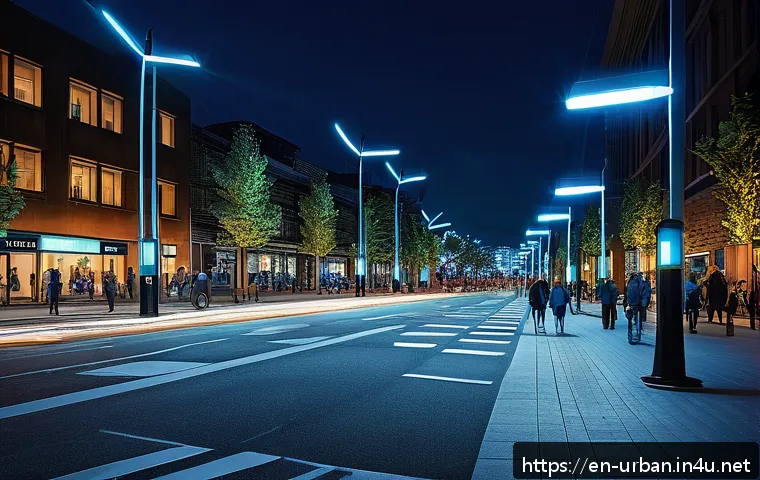
As cities evolve into smarter, more sustainable spaces, innovative lighting solutions are transforming the urban landscape like never before. From enhancing safety to creating vibrant nighttime atmospheres, smart lighting is redefining how we experience city life after dark.
With rapid advancements in technology and growing environmental concerns, integrating intelligent lighting systems has become a priority for forward-thinking urban planners.
In this post, we’ll explore how these cutting-edge designs are shaping the future of cityscapes and improving everyday living for residents and visitors alike.
Stick around to discover the latest trends and practical insights into this illuminating revolution.
Revolutionizing Urban Safety Through Smart Illumination
Adaptive Lighting for Crime Reduction
Smart lighting systems now adjust brightness and color temperature dynamically based on the presence of pedestrians or vehicles. From my firsthand experience walking through various smart-lit neighborhoods, the gradual increase in light as you approach dark alleys or crosswalks dramatically boosts the feeling of security.
Unlike static street lamps, these responsive lights deter potential criminal activity by eliminating hidden shadows and blind spots, making urban areas safer at night without wasting energy when the streets are empty.
Integration with Surveillance and Emergency Systems
What’s truly impressive is how smart lighting often integrates seamlessly with city surveillance cameras and emergency response systems. For example, if a camera detects suspicious movement or a public disturbance, nearby lights can brighten instantly, drawing attention and providing clearer footage for authorities.
This interconnected network not only speeds up emergency response times but also empowers residents to feel more confident in their environment.
Enhancing Pedestrian and Driver Visibility
Another overlooked benefit is the way smart lighting improves visibility for both pedestrians and drivers. By automatically adjusting lighting intensity and direction based on traffic flow and weather conditions, these systems reduce glare and shadows that often cause accidents.
From my own experience driving through smart-lit urban areas during foggy nights, the enhanced lighting significantly reduces eye strain and makes navigation smoother and safer.
Creating Vibrant Nighttime Experiences with Dynamic Lighting
Color-Tunable LEDs for Mood and Atmosphere
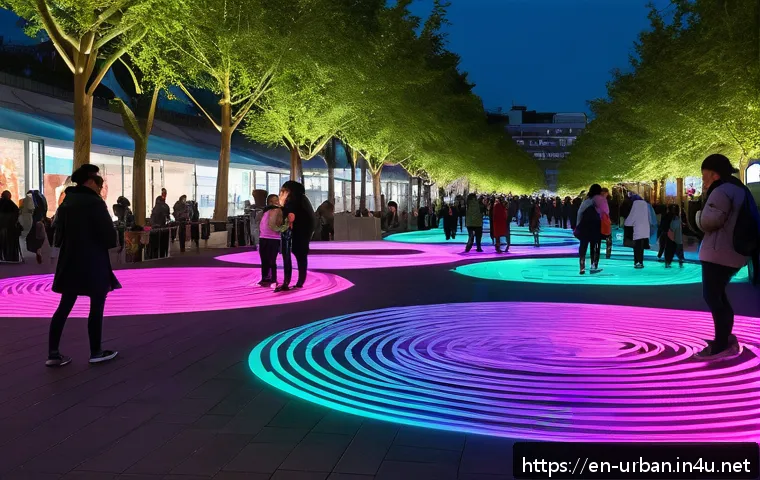
Cities are no longer limited to boring yellow street lamps; smart lighting now uses color-tunable LEDs that shift hues to match events or seasons. I remember attending a downtown festival where the entire main street glowed in soothing blues and purples, creating a magical atmosphere that invited people to linger and socialize.
This ability to customize lighting color enhances urban life by transforming spaces according to mood and occasion.
Interactive Lighting that Responds to Movement
Interactive lighting installations have become a popular way to engage residents and visitors alike. For instance, some parks and plazas feature sensors that trigger light patterns as people walk by or gather.
I once visited a public square where stepping on certain tiles caused bursts of colorful light to ripple outward, turning a simple walk into an immersive experience.
This playful use of lighting encourages exploration and community interaction.
Balancing Aesthetics with Practicality
While dynamic lighting looks fantastic, it’s also designed with functionality in mind. The best smart lighting solutions balance aesthetic appeal with energy efficiency and visibility standards.
From what I’ve observed, cities that successfully implement these systems achieve a harmonious blend of beauty and safety, creating inviting spaces that feel alive without overwhelming the senses or wasting resources.
Energy Efficiency and Sustainability in Smart Lighting
LED Technology’s Impact on Consumption
LEDs form the backbone of most smart lighting systems, drastically reducing energy consumption compared to traditional bulbs. In my experience working with urban planners, switching to LED smart lights often cuts electricity costs by more than half, which is a huge win for city budgets and environmental goals.
Plus, LEDs have longer lifespans, reducing maintenance frequency and waste.
Solar-Powered and Off-Grid Solutions
Some cities are pushing sustainability further by incorporating solar panels into their smart lighting infrastructure. I’ve visited communities where streetlights charge during the day and operate independently at night, eliminating the need for grid electricity.
This off-grid approach is especially beneficial in remote or underserved areas and helps reduce carbon footprints significantly.
Smart Scheduling and Dimming for Maximum Savings
Scheduling lights to dim during low-traffic hours or adjusting brightness based on weather conditions can save substantial energy. I’ve seen smart systems programmed to lower illumination after midnight when foot traffic dwindles, yet still maintain enough light for safety.
These intelligent controls optimize energy use without compromising public comfort or security.
Data-Driven Urban Planning with Intelligent Lighting Networks
Collecting Real-Time Usage and Environmental Data
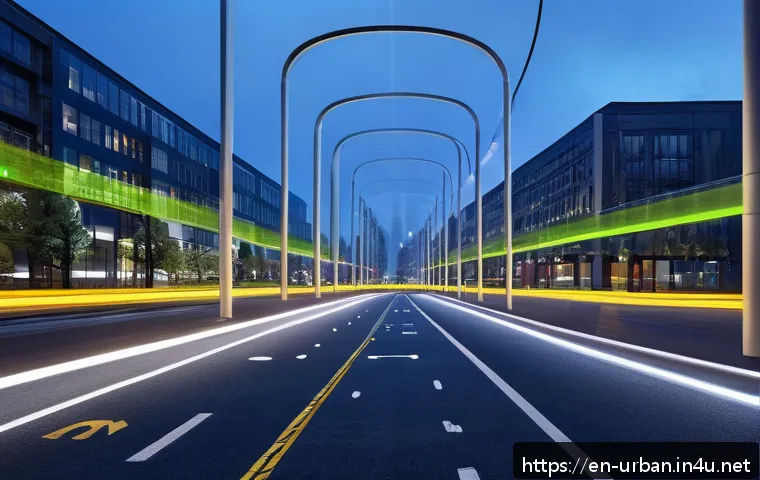
Smart lighting networks are equipped with sensors that gather valuable data on pedestrian flows, traffic density, and even air quality. City planners I’ve spoken with emphasize how this data informs more effective decisions, such as adjusting light placement or timing to improve both functionality and sustainability.
It’s fascinating how something as simple as a streetlamp can double as a data collection point.
Predictive Maintenance to Minimize Downtime
One of the most practical advantages of smart lighting is predictive maintenance. Instead of waiting for lights to fail, the system alerts maintenance teams to potential issues based on sensor readings and performance trends.
This proactive approach reduces outages, ensuring continuous illumination and improving the overall urban experience.
Enhancing Citizen Engagement Through Transparency
Some cities use data from smart lighting systems to engage residents via apps or public dashboards. I personally find it empowering when I can check real-time information about lighting schedules or report outages directly through a city’s platform.
This transparency fosters trust and encourages community participation in urban development.
Challenges and Considerations for Implementing Smart Lighting
Balancing Privacy with Surveillance Benefits
While integrated cameras and sensors enhance safety, they raise valid privacy concerns. From conversations with community groups, it’s clear that transparent policies and strict data governance are essential to maintaining public trust.
Cities that involve residents in decision-making tend to navigate these challenges more successfully.
Addressing Light Pollution and Ecological Impact
An unintended consequence of urban lighting is light pollution, which affects both human health and wildlife. Smart systems that dim or switch off lights when not needed help mitigate this issue.
I’ve noticed that cities adopting these measures report improved nocturnal environments for animals and better sleep quality for residents living nearby.
Cost and Infrastructure Hurdles
Despite the benefits, upfront costs and infrastructure upgrades can be significant barriers. In discussions with urban developers, phased rollouts and public-private partnerships often help spread expenses over time.
Additionally, the long-term savings in energy and maintenance usually justify the initial investment.
Comparing Smart Lighting Technologies: Features and Benefits
| Technology | Key Features | Benefits | Typical Use Cases |
|---|---|---|---|
| LED with Sensors | Motion detection, dimming, color tuning | Energy efficient, responsive lighting, mood enhancement | Streets, parks, commercial districts |
| Solar-Powered Lighting | Off-grid operation, energy storage | Reduces grid dependency, eco-friendly | Remote areas, bike paths, public plazas |
| Networked Control Systems | Centralized management, data collection | Predictive maintenance, data-driven planning | City-wide installations, smart districts |
| Interactive Lighting | Motion-triggered effects, color changes | Engages public, enhances user experience | Public art, recreational spaces |
Future Prospects: Where Smart Lighting Is Headed
Integration with IoT and AI for Smarter Cities
The future of smart lighting lies in deeper integration with Internet of Things (IoT) devices and artificial intelligence. I’ve read about pilot projects where AI algorithms predict crowd movements and adjust lighting preemptively to optimize safety and energy use.
This level of intelligence promises even more seamless and adaptive urban environments.
Personalized Lighting Experiences
Imagine walking through a city where the lighting adjusts not only to your presence but also to your preferences, mood, or even health data. While still emerging, personalized lighting could transform public spaces into highly responsive environments that cater to individual needs, enhancing wellbeing and comfort.
Global Trends Driving Innovation
Cities worldwide are competing to become leaders in smart urban design, sparking rapid innovation. From Tokyo’s ultra-efficient streetlights to Amsterdam’s interactive art installations, these global examples inspire new ideas and demonstrate the diverse ways smart lighting can improve city life.
I find it exciting to watch how these innovations cross-pollinate and evolve.
Conclusion
Smart lighting is transforming urban spaces by enhancing safety, sustainability, and community engagement. From adaptive illumination to data-driven management, these technologies are shaping the cities of tomorrow. Experiencing these innovations firsthand reveals how they improve quality of life while conserving resources. As cities continue to evolve, smart lighting will remain a key driver of vibrant and secure public environments.
Useful Information
1. Smart lighting systems adjust brightness and color based on real-time activity, improving safety and energy efficiency.
2. Integration with surveillance and emergency networks enables faster response and increased public confidence.
3. Dynamic color and interactive features create engaging, mood-enhancing urban atmospheres.
4. LED and solar-powered technologies significantly reduce energy consumption and environmental impact.
5. Data collection through smart lighting supports predictive maintenance and informed city planning.
Key Takeaways
Implementing smart lighting requires balancing privacy concerns with surveillance benefits, addressing light pollution, and managing upfront costs. Successful projects prioritize community involvement and phased deployment to ensure acceptance and sustainability. Ultimately, smart lighting not only enhances safety and aesthetics but also fosters smarter, more connected urban living spaces.
Frequently Asked Questions (FAQ) 📖
Q: uestionsQ1: How do smart lighting systems improve urban safety at night?
A: Smart lighting enhances urban safety by adjusting brightness based on real-time conditions like pedestrian movement or traffic flow. For example, lights brighten when someone approaches, deterring crime and reducing accidents.
Additionally, integrating sensors and cameras allows for quicker emergency responses. From my experience visiting cities with smart lighting, the improved visibility truly makes nighttime walking feel safer and more comfortable.
Q: What environmental benefits do intelligent lighting solutions offer?
A: Intelligent lighting significantly cuts energy consumption by using LED technology combined with adaptive controls that dim or turn off lights when areas are unoccupied.
This reduces carbon footprints and lowers utility costs for cities. In one project I observed, a city reported energy savings of up to 60% after switching to smart streetlights, showing how these systems contribute to sustainability goals while maintaining effective illumination.
Q: Are smart lighting systems expensive to install and maintain?
A: While the initial investment in smart lighting can be higher than traditional systems, the long-term savings on energy bills and maintenance often offset the upfront costs.
Many cities finance these projects through grants or public-private partnerships. From what I’ve seen, the technology’s durability and remote management features also reduce labor and repair expenses, making smart lighting a cost-effective solution over time.