As cities around the world face growing challenges like climate change, population growth, and resource scarcity, sustainable urban development is no longer just an option—it’s a necessity.
More than ever, innovative solutions are emerging to transform how we design, build, and live in our urban spaces. From green infrastructure to smart technologies, these forward-thinking approaches promise not only to reduce environmental impact but also to improve quality of life for millions.
If you’re curious about how tomorrow’s cities will evolve and what role sustainability plays in that journey, you’re in the right place. Let’s explore the exciting future of urban living together.
Rethinking Urban Mobility for a Greener Tomorrow
Integrating Public Transit with Micromobility Options
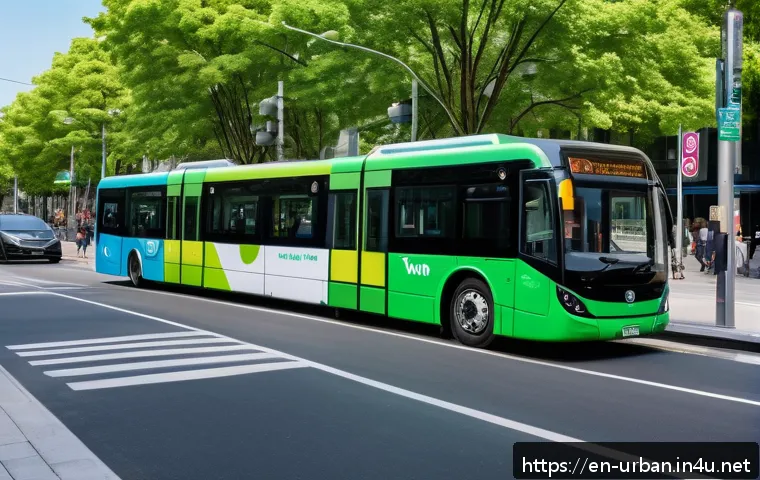
The future of urban travel is not about single-mode transportation but a seamless blend of various options. Cities increasingly promote micromobility—think e-scooters, bikes, and shared electric vehicles—to complement traditional public transit.
This integration encourages residents to ditch private cars, reducing traffic congestion and emissions. From my experience living in cities that adopted these systems, combining a short bike ride with a subway trip made commuting smoother and more eco-friendly.
Plus, the convenience of unlocking a scooter with a smartphone app is surprisingly addictive once you try it. The key is designing networks where these modes connect effortlessly, offering real alternatives to driving.
Prioritizing Pedestrian-Friendly Infrastructure
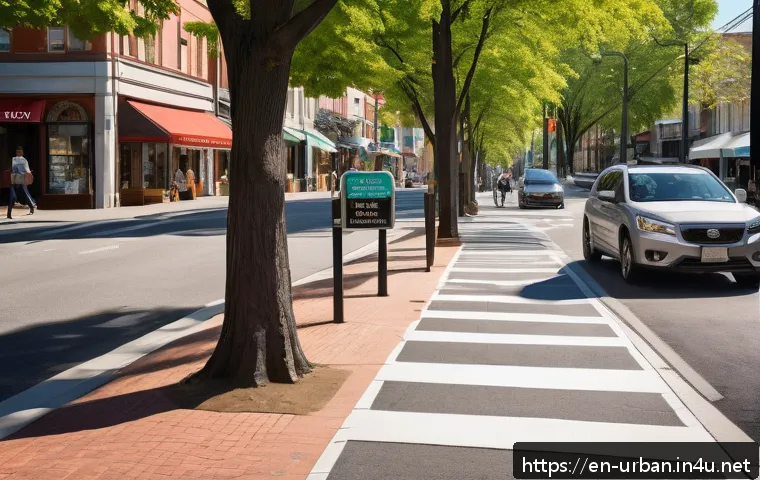
Walking-friendly cities aren’t just charming; they’re crucial for sustainability and public health. Wide sidewalks, shaded paths, and safe crossings invite people to choose their own two feet over vehicles.
Cities like Copenhagen and Portland have shown how investing in pedestrian zones transforms urban life—more social interactions, less noise, and cleaner air.
When I stroll through well-designed pedestrian districts, I notice how much more vibrant and welcoming the environment feels. These areas also foster local businesses as foot traffic increases.
Prioritizing walkability means rethinking streetscapes, reducing car lanes, and making space for greenery and public seating.
Electric and Autonomous Vehicles as Game-Changers
Electric vehicles (EVs) and autonomous driving technology are no longer futuristic fantasies; they’re rapidly becoming part of the urban mobility landscape.
EVs help slash greenhouse gas emissions, especially when powered by renewable energy. Autonomous vehicles promise safer roads and optimized traffic flows, potentially reducing the need for vast parking lots.
I recently tested an autonomous shuttle in a pilot program, and it was impressively smooth and quiet. However, widespread adoption requires robust infrastructure upgrades and clear regulations.
Cities investing in EV charging stations and smart traffic systems are laying the groundwork for this mobility revolution.
Building with Nature: Green Architecture and Urban Ecosystems
Embracing Biophilic Design Principles
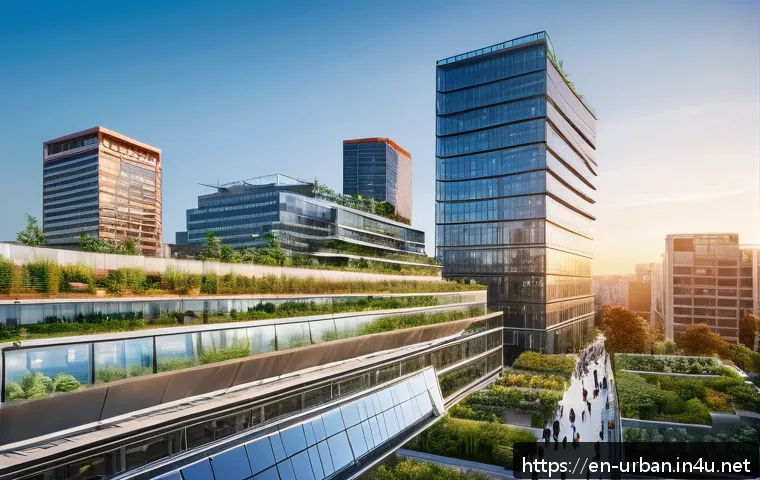
Bringing nature inside buildings is more than just a trend; it’s a proven way to enhance well-being and reduce energy consumption. Biophilic design incorporates natural light, greenery, water features, and organic materials into urban architecture.
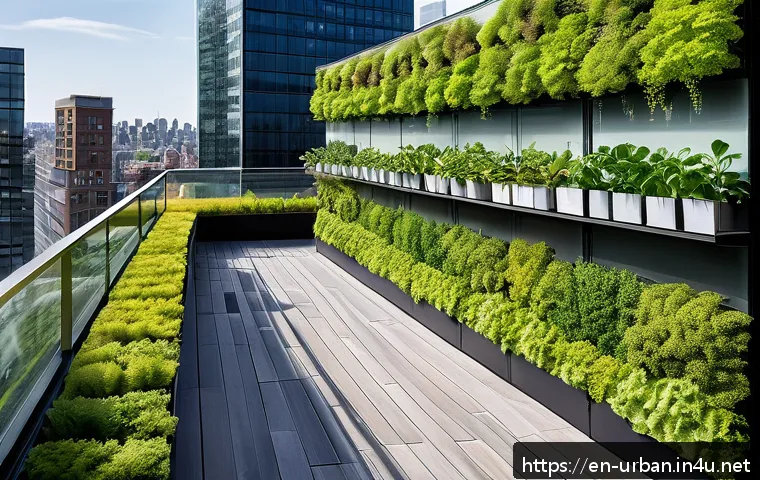
I’ve worked in offices where plants and natural elements significantly boosted my mood and productivity. Cities encouraging rooftop gardens, living walls, and indoor plants create healthier environments that connect people with nature despite urban density.
These features also improve air quality and help regulate building temperatures, cutting down on heating and cooling needs.
Urban Forests and Green Corridors as Climate Buffers
Urban forests act like the lungs of a city, absorbing CO2, cooling neighborhoods, and providing habitats for wildlife. Green corridors link parks and natural areas, supporting biodiversity and offering residents green routes for recreation and commuting.
When I visited cities with extensive green networks, the difference in air quality and urban heat was palpable. Moreover, these green spaces foster community activities and mental restoration.
Effective urban planning integrates these natural elements strategically, ensuring they’re accessible and resilient to climate impacts.
Innovative Water Management through Nature-Based Solutions
Sustainable water management is vital in cities facing flooding and drought risks. Nature-based solutions like rain gardens, permeable pavements, and constructed wetlands mimic natural hydrological processes to manage stormwater and improve water quality.
In several urban projects I observed, these systems not only prevented flooding but also created attractive public spaces. They reduce reliance on costly, energy-intensive infrastructure by working with the environment rather than against it.
This approach also enhances biodiversity and provides educational opportunities about water conservation.
Harnessing Smart Technologies for Sustainable Living
IoT and Data-Driven Urban Management
The Internet of Things (IoT) enables cities to monitor and optimize resources in real-time. Smart sensors track everything from air pollution to energy use, allowing authorities to respond quickly and efficiently.
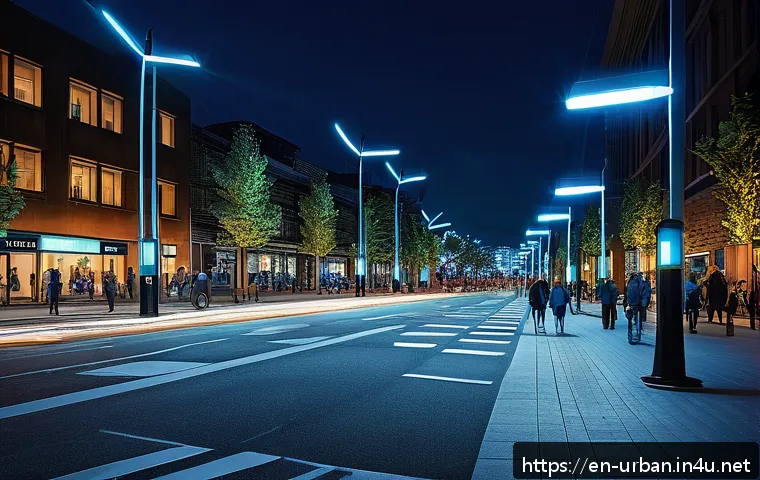
I’ve seen firsthand how smart lighting systems cut energy bills by dimming streetlights when no one’s around. Data analytics can also predict maintenance needs, reducing downtime and costs.
These technologies empower cities to become more adaptive, transparent, and responsive to residents’ needs while minimizing environmental footprints.
Enhancing Energy Efficiency with Smart Grids
Smart grids revolutionize how energy is distributed and consumed, integrating renewable sources and enabling two-way communication between utilities and users.
In communities where smart grids are implemented, residents can monitor their energy use and shift consumption to off-peak hours, lowering costs and grid stress.
I personally switched to a smart meter and noticed how it encouraged me to be more mindful of turning off appliances and using energy more efficiently.
This innovation supports the transition to a low-carbon future by maximizing renewable energy integration and reducing waste.
Digital Platforms for Community Engagement and Resource Sharing
Technology also fosters social sustainability through platforms that encourage sharing economy practices and civic participation. Apps that facilitate carpooling, tool libraries, or community gardens help build stronger social networks and reduce individual resource consumption.
From my experience volunteering in a neighborhood sharing initiative, these platforms create a sense of belonging and collective responsibility. They also democratize access to resources, making sustainable living more attainable for everyone.
Designing Inclusive Spaces that Foster Social Equity
Affordable Housing as a Pillar of Sustainable Cities
Sustainability isn’t just about the environment; it’s deeply tied to social equity. Affordable housing ensures that all residents, regardless of income, can access safe, healthy living conditions close to jobs and services.
Cities that prioritize mixed-income developments reduce segregation and create more resilient communities. I’ve seen how such neighborhoods support diverse cultures and economic opportunities, breaking down barriers and enhancing social cohesion.
Incorporating affordable housing into urban plans is essential for long-term sustainability.
Accessible Public Spaces for All Ages and Abilities
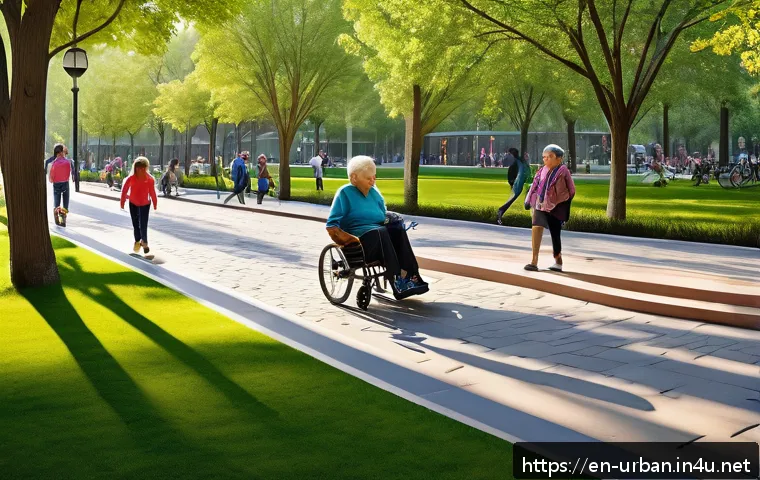
Public spaces designed with universal accessibility principles enable everyone—from children to seniors and people with disabilities—to participate fully in urban life.
Features like ramps, tactile paving, and inclusive playgrounds make a significant difference. I recall visiting a park that thoughtfully included sensory gardens and wheelchair-friendly trails; it was heartwarming to see how it welcomed every visitor.
Inclusive design promotes social interaction, mental health, and a sense of belonging, which are crucial components of sustainable urban living.
Community-Led Planning and Decision-Making
Top-down urban planning often misses local nuances, but engaging communities in decision-making leads to better outcomes and stronger trust. Participatory approaches empower residents to voice their needs and contribute ideas, creating a sense of ownership over their neighborhoods.
In projects where I participated as a community advisor, this collaboration resulted in designs that truly reflected local culture and priorities. Sustainable cities thrive when planners and citizens work together, blending expertise with lived experience.
Optimizing Resource Efficiency in Urban Systems
Zero-Waste Initiatives and Circular Economy Models
Cities generate vast amounts of waste, but embracing zero-waste principles and circular economy models can drastically reduce environmental burdens. This involves redesigning production and consumption cycles to minimize waste and maximize reuse, repair, and recycling.
I’ve been part of community composting programs that turned organic waste into valuable soil, proving that small-scale actions can have significant impacts.
Municipal policies that support waste separation, repair cafes, and sustainable packaging are key drivers toward resource efficiency.
Energy Recovery and Sustainable Materials in Construction
The construction sector is a huge resource consumer and emitter, but innovative practices are changing that. Using recycled materials, incorporating energy recovery systems, and adopting modular construction techniques reduce environmental footprints.
I once toured a building made largely from reclaimed wood and recycled steel, which felt both sturdy and environmentally responsible. These methods not only conserve resources but often shorten construction times and lower costs, making sustainable building more attractive.
Water Conservation Technologies and Practices
Water scarcity pushes cities to adopt technologies like greywater recycling, rainwater harvesting, and smart irrigation systems. These approaches reduce demand on municipal supplies and promote resilience against droughts.
In my neighborhood, installing rain barrels and smart sprinkler controllers cut water bills noticeably, demonstrating practical benefits. Public awareness campaigns combined with technological solutions are essential to shift urban water management toward sustainability.
Measuring Progress: Tracking Sustainability Impact
Key Performance Indicators for Sustainable Urban Development
Tracking progress requires clear, relevant indicators that reflect environmental, social, and economic goals. Cities use metrics like carbon footprint, air quality indices, affordable housing ratios, and public transit usage to gauge success.
I’ve reviewed reports from cities adopting these indicators, and those with transparent data sharing tend to engage residents better. Reliable metrics help identify gaps, allocate resources efficiently, and celebrate achievements, driving continuous improvement.
Leveraging Citizen Science and Open Data
Citizen science initiatives empower residents to contribute data on air quality, noise, and biodiversity, enhancing official monitoring efforts. Open data portals enable everyone to access urban sustainability information, fostering transparency and innovation.
I participated in an air pollution mapping project where volunteers used low-cost sensors, revealing pollution hotspots that city planners addressed. This democratization of data strengthens trust and encourages proactive community involvement.
Benchmarking Against Global Best Practices
Comparing local efforts with international benchmarks accelerates learning and adoption of effective strategies. Cities participating in networks like the C40 Cities or the Global Covenant of Mayors share insights and set ambitious targets.
From my observations, those open to external collaboration often leapfrog in sustainability performance. Benchmarking also motivates political leadership by highlighting competitive advantages and opportunities for recognition on the global stage.
| Aspect | Key Features | Benefits | Examples |
|---|---|---|---|
| Urban Mobility | Public transit integration, micromobility, EVs | Reduced emissions, congestion, improved accessibility | Copenhagen bike lanes, Singapore EV policies |
| Green Architecture | Biophilic design, urban forests, water management | Improved air quality, thermal comfort, biodiversity | Singapore’s Gardens by the Bay, New York’s High Line |
| Smart Technologies | IoT sensors, smart grids, digital platforms | Resource optimization, energy savings, community engagement | Barcelona smart lighting, Amsterdam smart grid |
| Social Equity | Affordable housing, accessible spaces, participatory planning | Inclusivity, social cohesion, improved quality of life | Vienna’s social housing, Curitiba participatory budgeting |
| Resource Efficiency | Zero-waste, recycled materials, water conservation | Lower environmental impact, cost savings | San Francisco zero waste, Tokyo water recycling |
| Progress Measurement | KPI tracking, citizen science, benchmarking | Transparency, continuous improvement, global alignment | C40 Cities reporting, London air quality monitoring |
In Conclusion
Rethinking urban spaces with a focus on sustainability requires a holistic approach that blends mobility, green architecture, technology, social equity, and resource efficiency. These elements together create cities that are not only environmentally responsible but also vibrant and inclusive. By embracing innovation and community engagement, we can build urban environments that thrive today and for generations to come.
Useful Information to Know
1. Integrating public transit with micromobility options like e-scooters and bikes can significantly reduce reliance on private cars, easing congestion and pollution.
2. Pedestrian-friendly infrastructure enhances urban life by promoting health, social interaction, and local economies.
3. Smart technologies such as IoT sensors and smart grids improve energy efficiency and help cities manage resources more effectively.
4. Inclusive urban design ensures that affordable housing and accessible public spaces foster social equity and community well-being.
5. Tracking sustainability progress through clear indicators and citizen participation helps maintain transparency and continuous improvement.
Key Takeaways
Successful sustainable urban development hinges on integrating multiple strategies that address environmental, social, and technological dimensions. Prioritizing connectivity between transport modes, embedding nature into the built environment, leveraging smart innovations, and promoting equity all contribute to resilient, livable cities. Moreover, measuring impact and involving communities strengthen accountability and long-term commitment to green urban futures.
Frequently Asked Questions (FAQ) 📖
Q: What are the key benefits of sustainable urban development for city residents?
A: Sustainable urban development offers a range of benefits that directly improve the daily lives of city dwellers. Firstly, it helps reduce pollution and greenhouse gas emissions by promoting green infrastructure and clean energy, leading to healthier air and a lower risk of respiratory diseases.
Secondly, sustainable cities often prioritize walkability, public transit, and green spaces, which enhance physical and mental well-being. From my experience visiting cities that have embraced these principles, I noticed how vibrant parks and bike lanes encourage community interaction and an active lifestyle.
Lastly, by efficiently managing resources like water and energy, sustainable urban development makes cities more resilient against climate change impacts, reducing the likelihood of costly disruptions for residents.
Q: How do smart technologies contribute to making cities more sustainable?
A: Smart technologies play a crucial role in transforming urban areas into sustainable hubs by optimizing resource use and improving service delivery. For instance, smart grids can balance electricity demand and supply in real time, reducing energy waste.
Intelligent traffic management systems ease congestion, lowering emissions and saving commuters time. In my personal experience, cities using sensor networks to monitor air quality and water usage can respond faster to environmental issues, ensuring a healthier environment.
Moreover, apps that encourage carpooling or public transit use help reduce individual carbon footprints. These technologies create a more efficient, responsive, and eco-friendly urban ecosystem.
Q: What challenges do cities face when implementing sustainable development, and how can they be overcome?
A: Implementing sustainable development in cities comes with several challenges, including funding limitations, regulatory hurdles, and public resistance to change.
Many urban projects require significant upfront investment, which can be a barrier for cash-strapped municipalities. Additionally, outdated zoning laws and bureaucratic red tape often slow down innovative initiatives.
From what I’ve observed, involving local communities early on and clearly communicating the long-term benefits helps gain public support. Cities can also explore public-private partnerships to secure funding and adopt flexible policies that encourage experimentation with new technologies.
Ultimately, collaboration among government, businesses, and citizens is key to overcoming these obstacles and achieving sustainable urban growth.